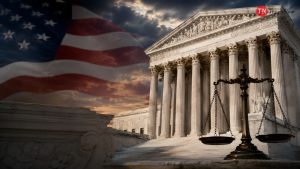



The U.S. Supreme Court has drawn renewed attention to its growing reliance on the emergency or “shadow” docket after issuing a 5-4 ruling that protected the independence of the Federal Reserve by preventing President Donald Trump from removing Federal Reserve Governor Lisa Cook at this stage. While the decision safeguarded the Fed from immediate political interference, it also exposed sharp divisions among the justices over the court’s increasing use of emergency procedures to resolve major constitutional and legal disputes without the traditional appeals process.
Three conservative dissenting justices argued that the court went too far in issuing a broad ruling through its emergency docket, which is intended for urgent matters and typically bypasses extensive briefing, oral arguments, and detailed opinions. Chief Justice John Roberts defended the approach, calling it a matter of judicial prudence rather than a fixed rule. Legal scholars say the exchange reflects growing concern within the court itself over the expanding power and influence of emergency decisions, which have increasingly shaped major national policies.
The debate comes after a series of emergency rulings that have largely favored President Trump’s administration, including decisions involving immigration, federal agencies, military policy, and parental rights. Critics argue that resolving high-profile constitutional questions through expedited procedures reduces transparency and limits lower courts’ role in developing the law. While some justices maintain that providing more explanation improves public understanding, others caution that the emergency docket should be used sparingly to avoid reshaping legal precedent without full judicial review.
Pic Courtesy: google/ images are subject to copyright