


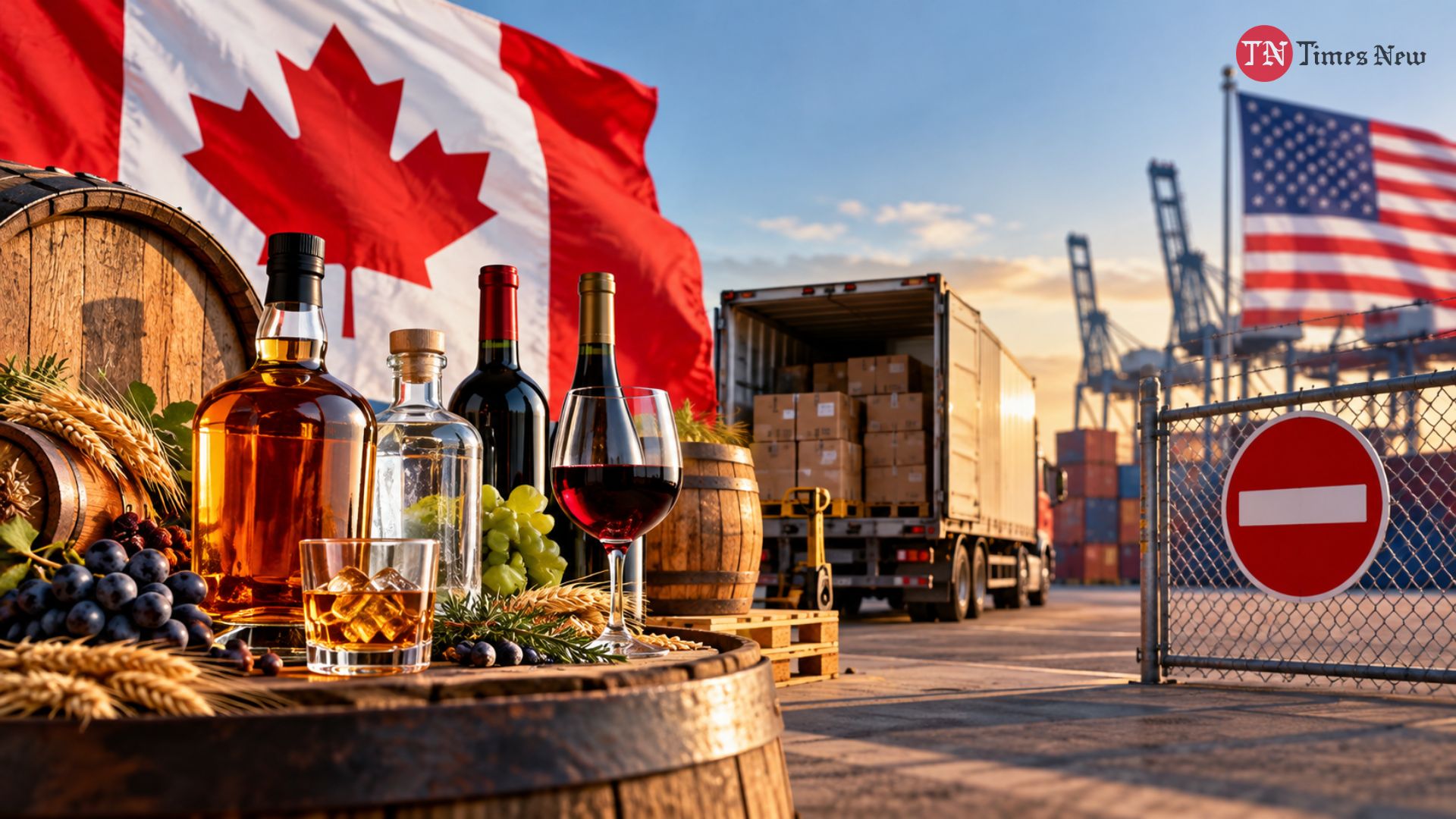
Canadian brewers, distillers and winemakers are facing fresh challenges as a US ban on many Canadian alcoholic beverage imports takes effect, limiting access to a key export market. Producers such as Saskatchewan distiller John Cote had hoped to offset lost US sales by tapping growing “buy Canadian” sentiment at home, but provincial regulations and alcohol monopolies make it difficult to get products onto shelves across the country.
Canada’s alcohol market remains fragmented by provincial rules, with many provinces controlling liquor stores and distribution networks. Although nine of the country’s 10 provinces agreed in July to allow alcohol producers to sell directly to consumers nationwide, the agreement does not provide the same access to retail shelves. Industry representatives say bureaucratic costs, approval delays and limited access to provincial stores can make domestic expansion difficult and, in some cases, unprofitable.
The US measures primarily target bottled whisky and other packaged alcoholic beverages, leaving many small Canadian producers exposed because they bottle locally. Spirits Canada estimates that about half of spirits production is exported, with 93% of those exports going to the US. Producers and industry groups are urging Ottawa and the provinces to remove internal trade barriers and create a more integrated Canadian alcohol marketplace, arguing that easier access to domestic consumers could help the industry withstand the loss of its largest export market.
Pic Courtesy: google/ images are subject to copyright
You May Also Like

Meta Expands Muse AI Agent to Small Businesses
29 September 2026

UPS Signs Exclusive TikTok Shop Returns Deal
29 September 2026

GM Slashes Chevrolet Bolt Production Plans by 75%
29 September 2026