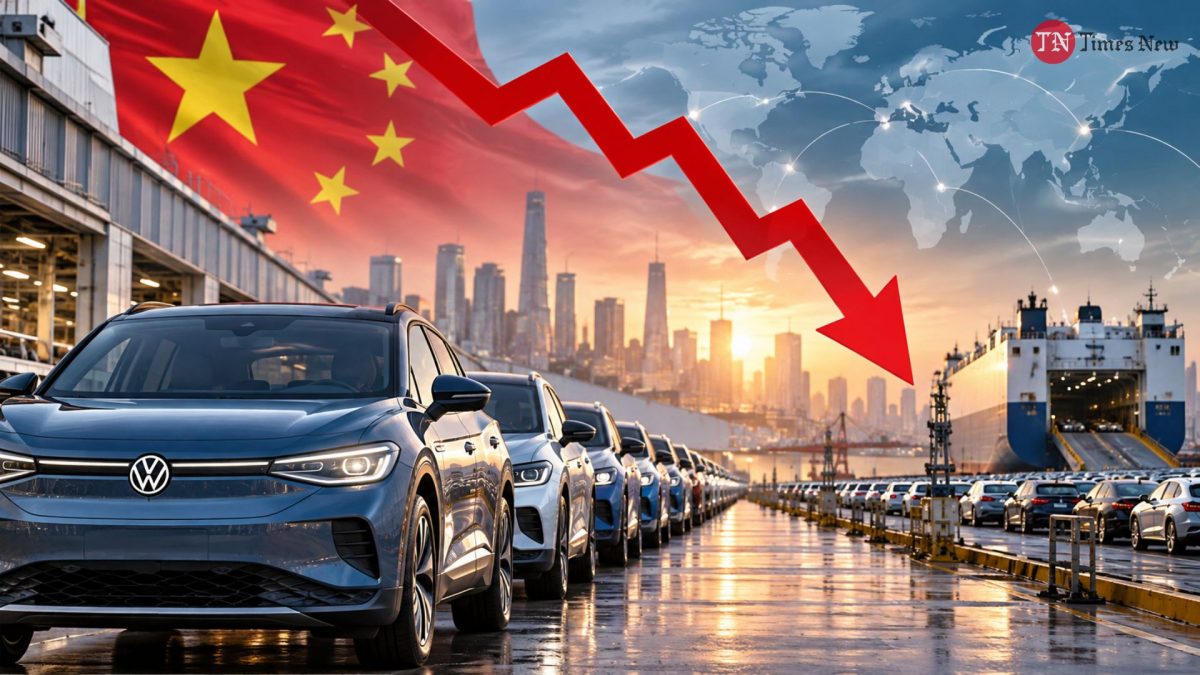



Global investment in artificial intelligence infrastructure is helping sustain worldwide economic growth at around 3%, despite an energy supply shock, International Monetary Fund Managing Director Kristalina Georgieva said on Monday. Speaking at the IMF and World Bank annual meetings in Bangkok, she said the AI boom could boost growth by 0.5 to 1 percentage point in advanced Asian economies and 0.2 to 0.8 percentage point in emerging Asian economies. The IMF, which forecast global growth at 3% for 2026 in July, is scheduled to release its updated economic outlook on Tuesday.
Georgieva warned that AI could trigger a “slow-moving tsunami” across labour markets, education and government taxation systems. IMF research indicates that around 40% of jobs globally could be affected by AI through augmentation, downgrading or elimination, with the proportion rising to 60% in advanced economies. The shift from labour-intensive work towards capital-driven production could also reshape how governments collect taxes. While demand for routine and repetitive jobs is declining, employment opportunities are increasing in sectors such as construction and data centres. An initial study also found that 10% of jobs in the United States already require AI skills.
Singapore President Tharman Shanmugaratnam highlighted growing concerns over declining entry-level opportunities for graduates, urging governments to ensure AI creates quality jobs and supports career development. He also cautioned that the technology could widen economic disparities between advanced and developing economies if its benefits are not distributed fairly. World Bank President Ajay Banga, however, said AI would not necessarily eliminate entry-level jobs, noting that emerging markets could benefit from smaller-scale AI applications in agriculture, healthcare and education. As investment accelerates, policymakers face the challenge of balancing productivity gains with employment protection and inclusive economic growth.
Pic Courtesy: google/ images are subject to copyright