



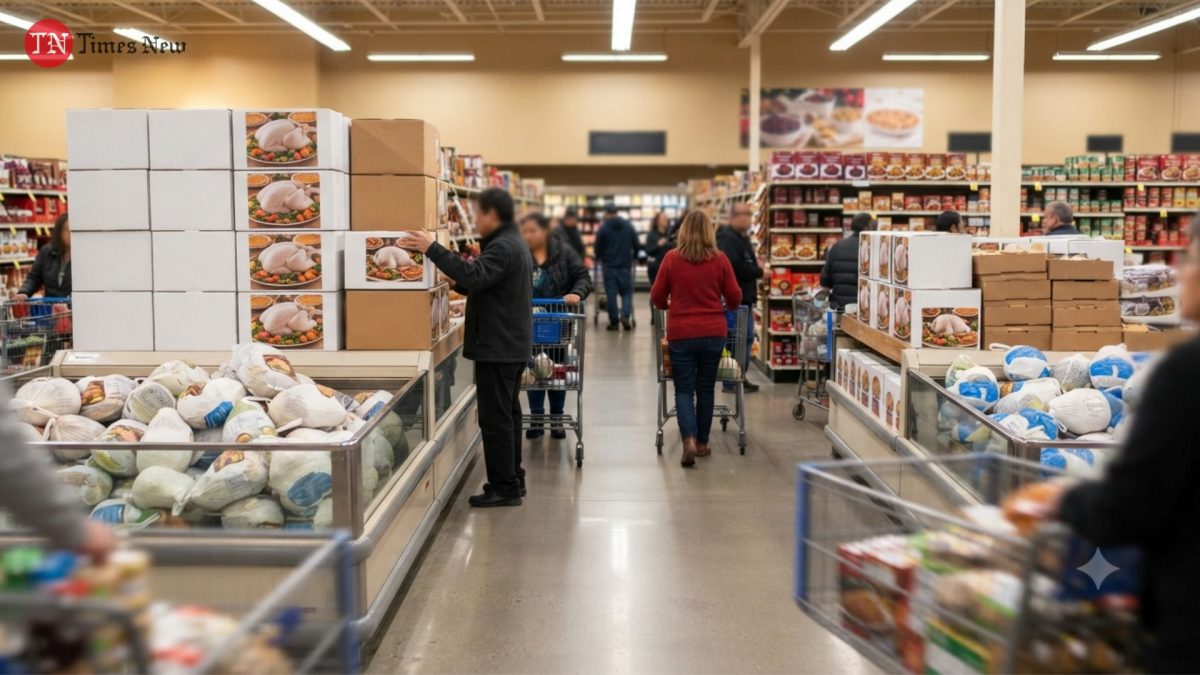
Retailers entering the Black Friday and Cyber Monday shopping rush face escalating cyber threats supercharged by artificial intelligence, even as the industry lags behind other sectors in cyber insurance coverage. According to claims data from insurer CFC, ransomware attacks targeting retail, leisure, and hospitality businesses surge by 50% in November compared to the monthly average. Despite this heightened risk, only 43% of small and medium-sized retailers carry cyber insurance—far below the 81% adoption rate in financial services and 71% in technology.
The stakes are particularly high this season as consumer spending climbs, with UK shoppers projected to spend an average of £235 ($307) each, pushing overall UK holiday spending toward its highest level since 2022. Industry experts at Aon and CFC warn that because retailers rarely purchase extra coverage solely for a single shopping weekend, operational resilience is critical to preventing a temporary system outage from spiraling into severe financial loss. Past incidents underscore the danger, such as Target’s 2013 holiday breach, which exposed at least 40 million credit cards and cost the company $202 million in net cumulative expenses.
Complex supply chains, vast troves of payment data, and peak seasonal traffic make retailers prime targets for disruption, according to specialty insurer Beazley. While artificial intelligence can bolster defensive tools, Beazley Security notes that AI is simultaneously accelerating the speed of cyberattacks and driving a nearly sixfold year-over-year increase in exposed vulnerabilities. As a result, security leaders warn that retail organizations are struggling to keep pace with rapidly evolving threats during their most lucrative period of the year.
Pic Courtesy: google/ images are subject to copyright
You May Also Like


Recent Post
- AI-Fueled Cyber Threats Target Underinsured Retailers Ahead of Black Friday

- Grocers Slash Thanksgiving Meal Prices to Woo Inflation-Weary Shoppers Despite Wholesale Spike

- Polestar’s Third-Quarter Loss Widens to $403 Million as Revenue Falls 14%

- US Proposes New Tariffs on 14 Trading Partners, China Faces Highest Rates