


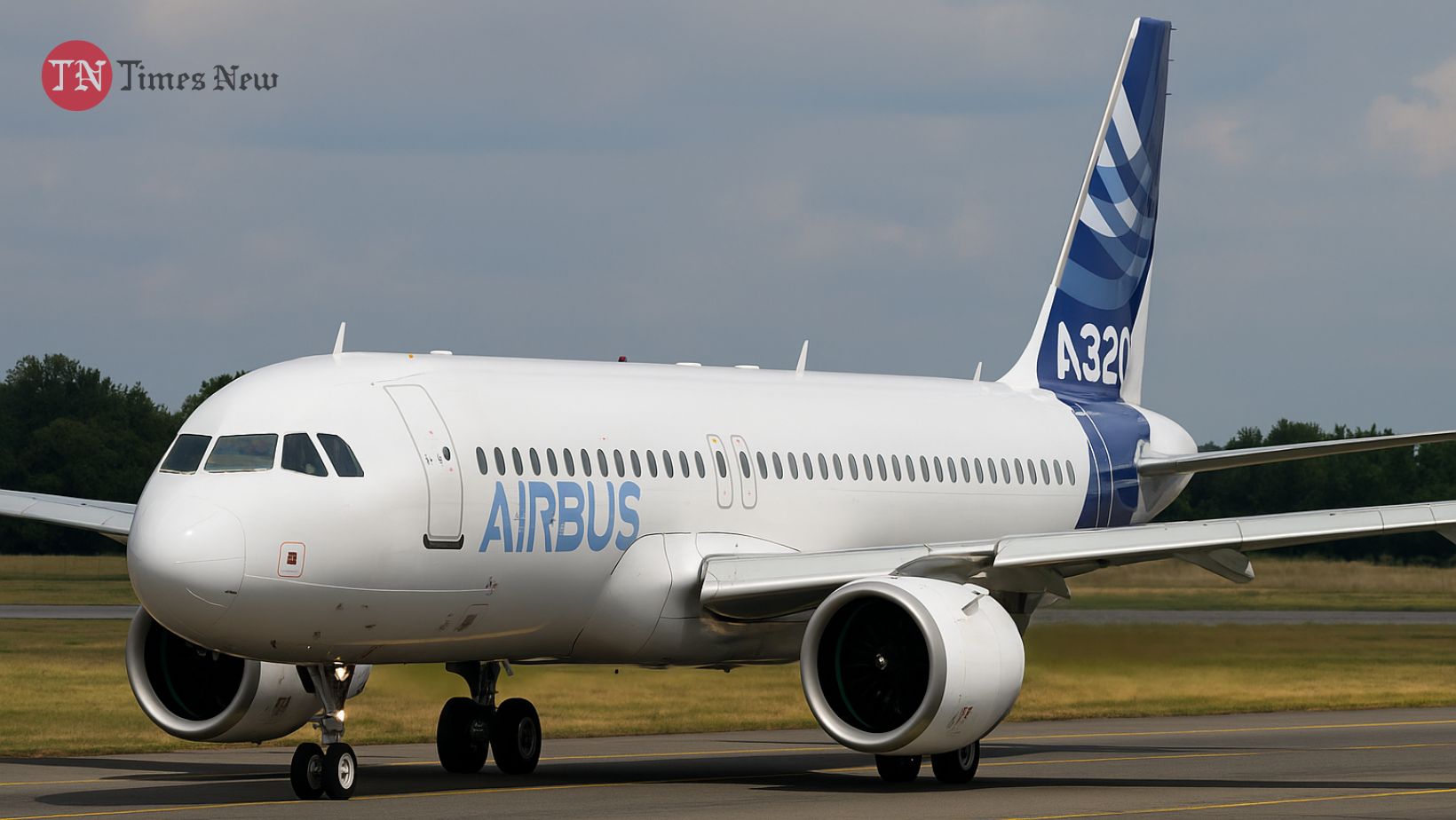
Airbus A320-family fleets began returning to normal operations on Monday after the European aircraft manufacturer completed an unprecedented, rapid software retrofit across roughly half of its global fleet. The urgent directive, issued after a JetBlue A320 experienced a mid-air altitude drop potentially linked to solar flare vulnerability, required airlines worldwide to revert to an earlier version of critical nose-angle software before each aircraft’s next flight. Despite initial fears of widespread disruption, especially during the busy U.S. Thanksgiving travel period, dozens of airlines across Asia, Europe, and the United States completed the fix within hours, though carriers such as Colombia’s Avianca have maintained limited suspensions while working through longer hardware-related processes.
The safety alert—described by industry insiders as the broadest emergency recall in Airbus’ history—initially caused confusion, with operators lacking serial-number-specific impact data. Engineers spent the weekend identifying affected aircraft and uploading the revised software via data loaders, a process that Airbus initially estimated would take around three hours per jet. Airlines later revised the expected impact downward as the number of older jets requiring full computer replacements proved smaller than early estimates of 1,000 units. JetBlue reported on Sunday that it had restored 137 of 150 impacted aircraft to service, though around 20 flights were expected to be cancelled on Monday due to lingering operational challenges.
The swift and transparent response from Airbus marks a notable shift in industry crisis management following lessons learned from Boeing’s 737 MAX crisis, during which delays and communication lapses drew global scrutiny. Airbus CEO Guillaume Faury publicly apologised as part of a more open and proactive approach to aviation safety concerns—an approach analysts say reflects a sector-wide emphasis on transparency. Industry experts noted that both manufacturers and regulators now operate with heightened sensitivity to software-related risks, shaping a more assertive and coordinated response to global air safety issues.
Pic Courtesy: google/ images are subject to copyright


Recent Post
- Big Tech Faces Investor Pressure Over Data Center Environmental Impact

- Trump–Xi Summit in May Signals Tentative Thaw in U.S.–China Trade Tensions

- Iran Warns of ‘Irreparable Consequences’ After Attacks Near Bushehr Nuclear Plant
- Trump Calls Airman Rescue an “Easter Miracle,” Sparks Debate Over Faith in War Rhetoric
