

U.S.-based Albemarle, the world’s largest lithium producer, has initiated the environmental review process in Chile for its first project utilizing Direct Lithium Extraction (DLE) technology. The company stated that the project aims to significantly improve efficiency by recovering nearly twice as much lithium while reducing the volume of brine extracted compared to conventional methods. If fully developed, the project is expected to involve an investment of approximately $3.1 billion and operate through 2045, according to a filing with Chile’s environmental assessment agency.
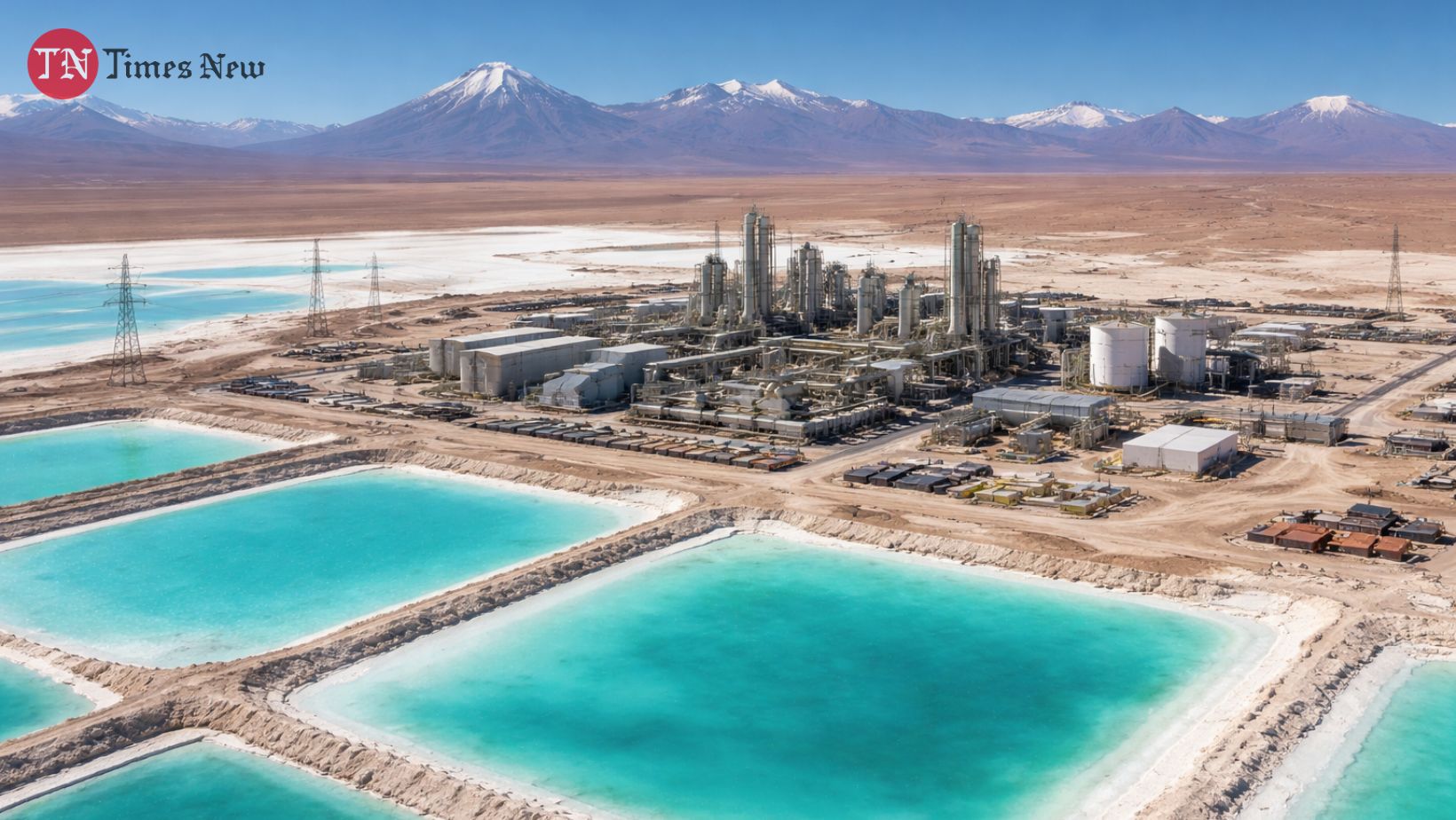
The proposed development will be located in the Salar de Atacama, one of the world’s richest lithium reserves and a critical source for electric vehicle battery production. Albemarle plans to construct a DLE plant within its existing mining concession, featuring up to six processing units, along with a dedicated power transmission line. The company highlighted that brine extraction could decrease from 442 liters per second to 342 liters per second with one processing unit, and further down to 142 liters per second when all six units are operational.
Despite the project’s sustainability ambitions, concerns persist among local communities and environmental groups regarding water usage in the arid Atacama region. The extraction of both freshwater and lithium-rich brine has long been a contentious issue, with fears that mining activities could strain limited water resources and impact ecosystems. Albemarle emphasized that the initiative is a step toward more sustainable lithium production, but it will undergo rigorous environmental scrutiny before any final approvals are granted.
Pic Courtesy: google/ images are subject to copyright