

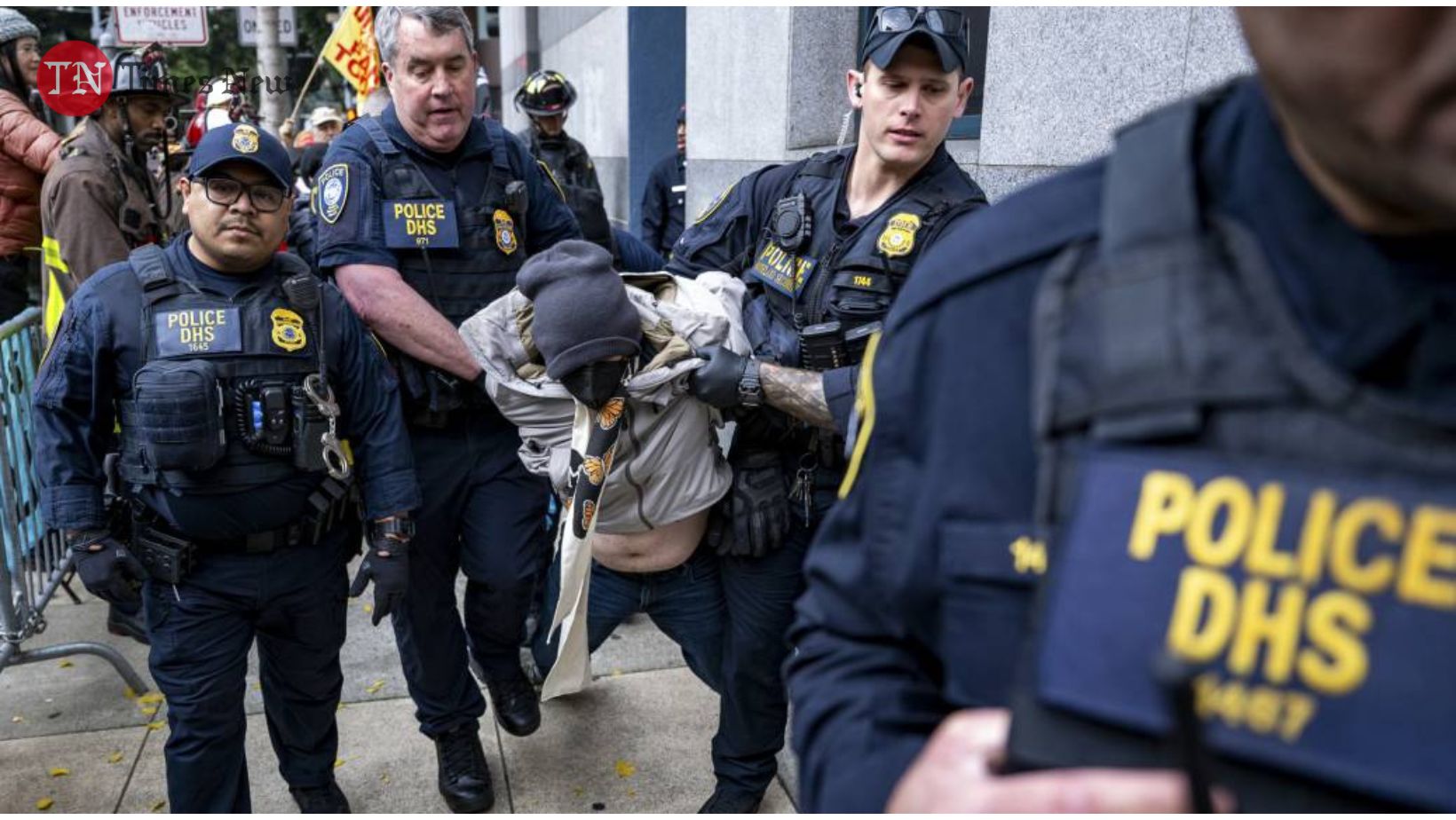
Several Democratic-led U.S. states are advancing legislation that would allow individuals to sue federal immigration agents in state courts for alleged civil rights violations, marking a significant legal and political clash with the Trump administration. The push follows mounting protests over enforcement tactics used by U.S. Immigration and Customs Enforcement (ICE) during immigration crackdowns, including controversial operations in Minneapolis. Illinois became the first state to pass such a measure, but the U.S. Justice Department quickly filed suit to block the law, arguing it conflicts with the Constitution’s Supremacy Clause, which establishes that federal law overrides state law.
Supporters say the proposed laws aim to close what they describe as an accountability gap. While a Reconstruction-era federal statute — Section 1983 — allows lawsuits against state and local officials for constitutional violations, no equivalent pathway exists for suing individual federal agents in the same way. Current options, such as claims under the Federal Tort Claims Act, allow suits against the federal government itself but not individual officers and involve complex procedures. Lawmakers in states including California, New York, Maryland, Virginia, and Connecticut are now considering similar bills, with New York Governor Kathy Hochul publicly backing efforts to let residents hold ICE agents accountable when they act outside their legal authority.
The legal battle is expected to escalate, potentially reaching the U.S. Supreme Court. Constitutional scholars describe Illinois’ law as innovative but legally vulnerable in parts, especially provisions allowing punitive damages. The Trump administration maintains that federal officers already operate within constitutional limits and that state-level lawsuits would improperly burden federal enforcement. Still, some legal experts argue states have room to create civil remedies when constitutional rights are violated, setting up a high-stakes test of federal authority versus state power — and the future of civil rights accountability for federal law enforcement.
Pic Courtesy: google/ images are subject to copyright