


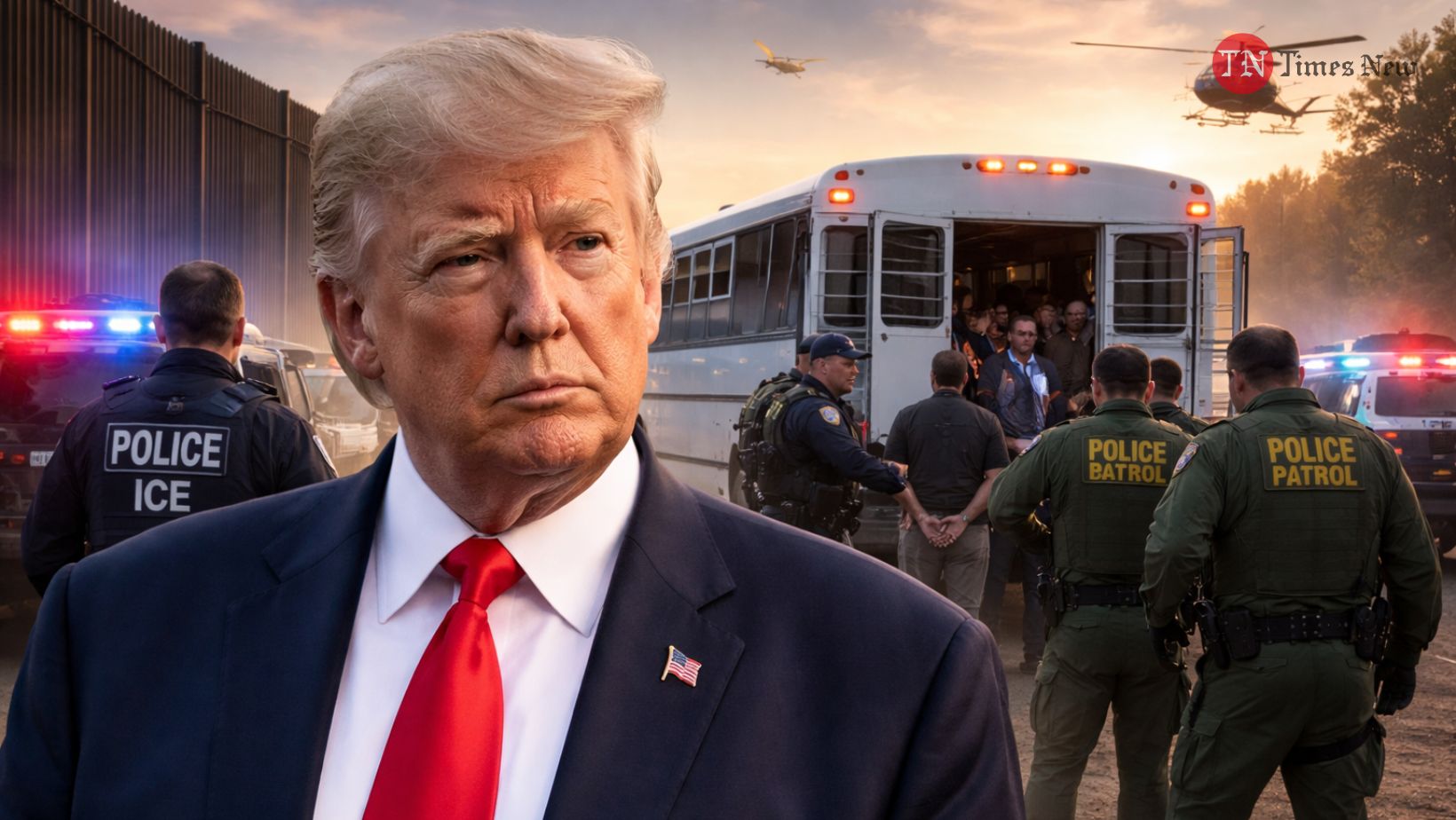
U.S. President Donald Trump is preparing a significantly expanded immigration crackdown in 2026, backed by $170 billion in new funding for Immigration and Customs Enforcement (ICE) and Border Patrol through 2029. The plan includes hiring thousands of additional agents, opening new detention centers, increasing arrests from local jails, and expanding workplace raids—an area largely avoided so far due to economic concerns. Administration officials say the funding surge will sharply raise arrests and deportations, with Trump pledging to remove up to one million immigrants annually.
The aggressive push comes amid growing political backlash ahead of the 2026 midterm elections. Trump’s approval on immigration has dropped from 50% in March to 41% by mid-December, with public unease focusing on masked federal agents, tear gas use in residential areas, and the detention of U.S. citizens. Cities with large immigrant populations have seen protests, lawsuits, and political shifts, including Miami electing its first Democratic mayor in nearly three decades—an outcome local leaders linked in part to voter reaction against the crackdown.
The administration is also signaling a renewed focus on employers, potentially expanding raids at farms, factories, and other job sites known to employ undocumented workers. Analysts warn that large-scale workplace enforcement could raise labor costs, disrupt businesses, and complicate Trump’s efforts to contain inflation—an issue expected to dominate the midterm campaign. While immigration hardliners argue targeting employers is necessary to curb illegal hiring, critics say the expanded enforcement risks economic fallout and further alienating voters concerned about civil liberties and due process.
Pic Courtesy: google/ images are subject to copyright


Recent Post
- Big Tech Faces Investor Pressure Over Data Center Environmental Impact

- Trump–Xi Summit in May Signals Tentative Thaw in U.S.–China Trade Tensions

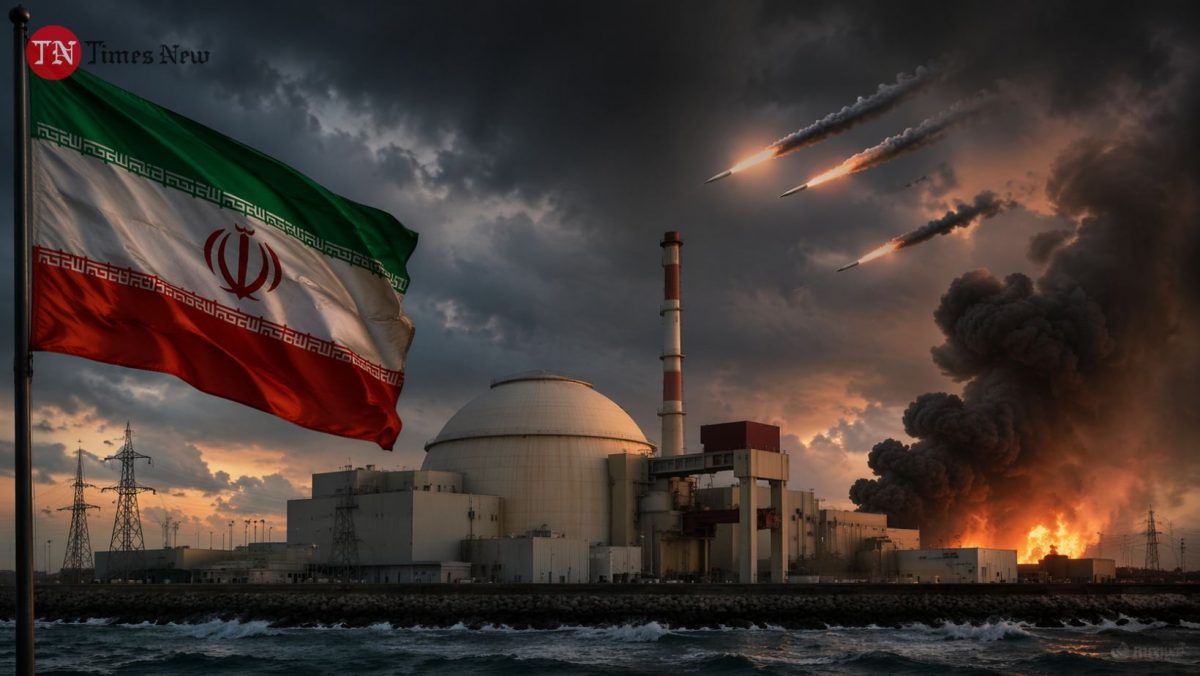
- Iran Warns of ‘Irreparable Consequences’ After Attacks Near Bushehr Nuclear Plant
- Trump Calls Airman Rescue an “Easter Miracle,” Sparks Debate Over Faith in War Rhetoric
