
The Trump administration on Tuesday imposed visa bans on five European figures, accusing them of pressuring U.S. social media platforms to censor American speech. The move is the latest escalation in Washington’s opposition to the European Union’s Digital Services Act (DSA), which aims to curb hateful speech, misinformation and disinformation online. U.S. officials argue the DSA goes beyond legitimate regulation, stifles free expression, and unfairly burdens American technology companies.
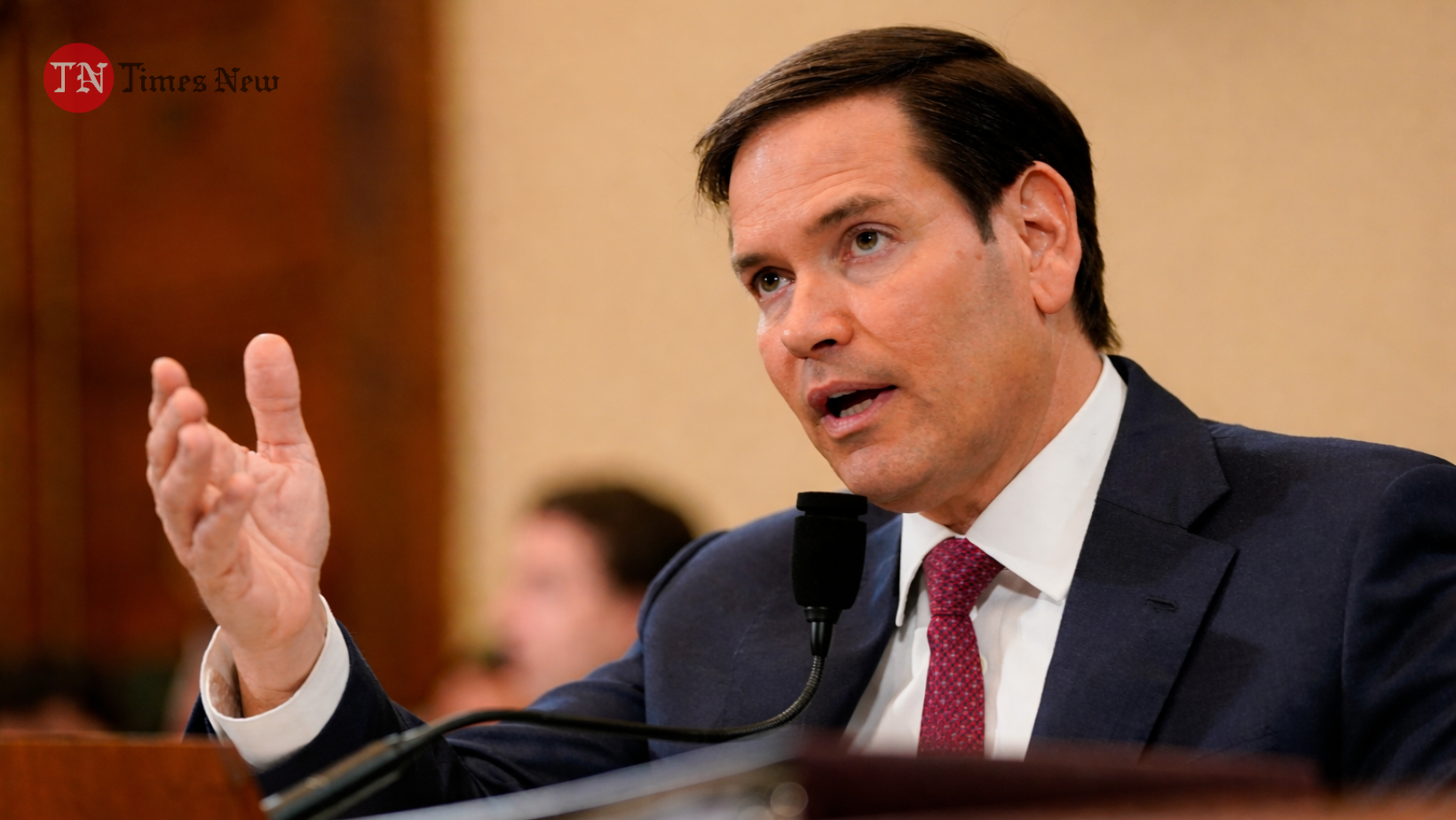
U.S. Secretary of State Marco Rubio said those targeted had led organized efforts to coerce U.S. platforms into censoring or demonetizing viewpoints they oppose. While Rubio did not initially name them, the State Department later identified the most prominent target as Thierry Breton, who served as the European commissioner for the internal market from 2019 to 2024 and was closely associated with the DSA. Others named include Imran Ahmed of the Center for Countering Digital Hate, Anna-Lena von Hodenberg and Josephine Ballon of HateAid, and Clare Melford of the Global Disinformation Index.
Those sanctioned rejected the U.S. accusations, calling the visa bans an attempt to intimidate groups enforcing European law on U.S. corporations operating in Europe. Representatives for HateAid and the Global Disinformation Index said the measures undermine human rights and freedom of expression, while characterizing the action as an attack on free speech. The dispute highlights growing transatlantic tensions over digital regulation, content moderation, and the balance between combating harmful online material and protecting free expression.
Pic Courtesy: google/ images are subject to copyright