


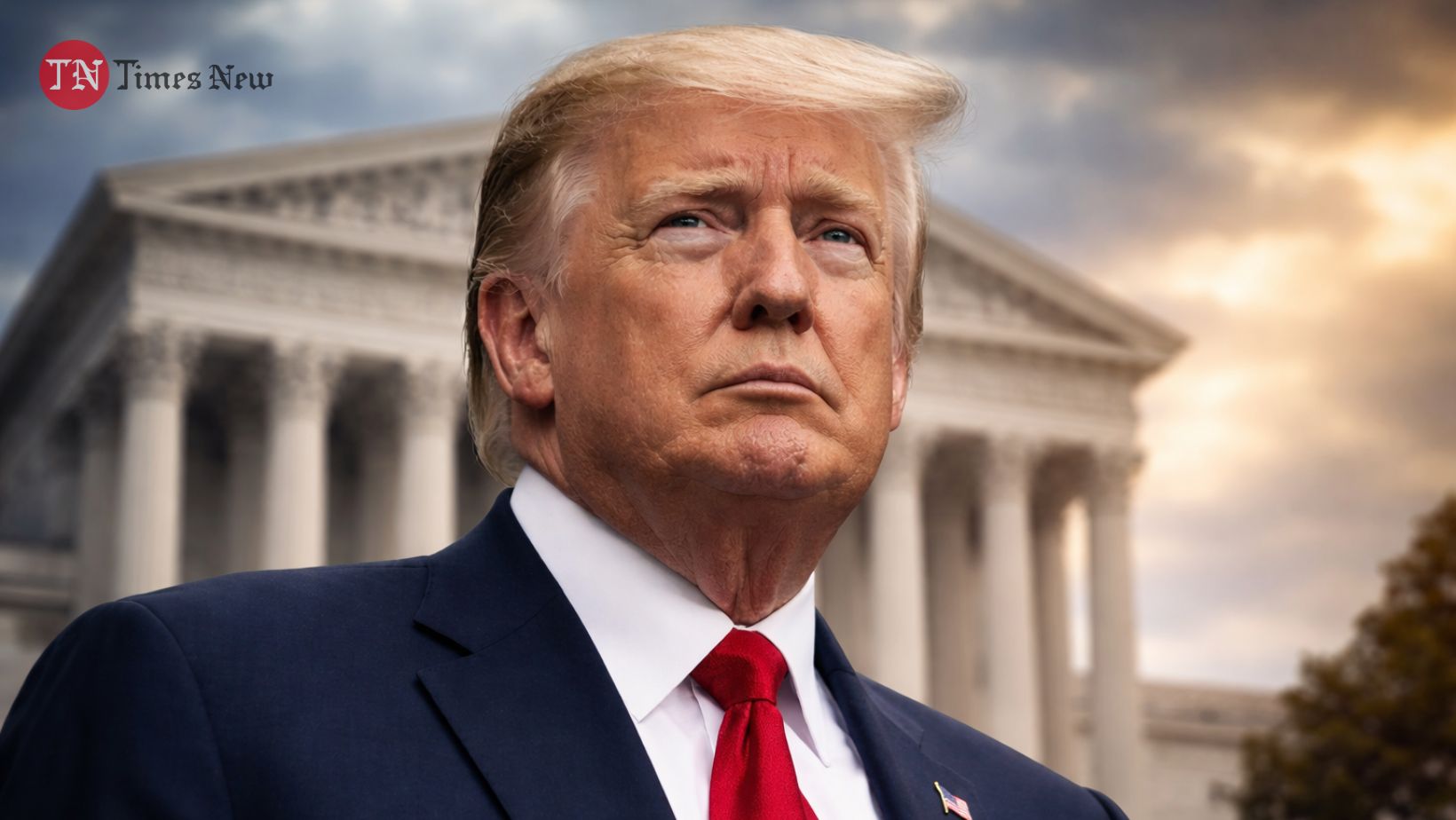
The U.S. Supreme Court this week will hear what legal analysts describe as the most consequential challenge to the Federal Reserve’s independence in more than a century, as President Donald Trump’s attempt to remove Fed Governor Lisa Cook raises questions over whether the central bank can be insulated from political interference as Congress intended. The case centres on Trump’s bid to fire Cook over alleged mortgage fraud—claims Cook disputes—despite her term running until 2038. Cook has argued the move is driven by political disagreement over interest rates, a charge echoed by broader concerns that the administration’s actions could weaken the institutional protections that shield the world’s most powerful central bank.
At the heart of the dispute is the “cause” requirement under the Federal Reserve Act, which limits the president’s ability to remove Fed governors except for defined misconduct. The case is considered unprecedented, with analysts noting that the Supreme Court’s ruling could either reinforce the Fed’s independence by requiring a strict threshold for removals, or create a roadmap for future presidents to oust policymakers by expanding the definition of “cause.” Cook remains in her position after a lower court blocked her removal pending further hearings, but the Trump administration appealed. Reuters reported Fed Chair Jerome Powell is expected to attend the hearing on Wednesday.
Economists and former Fed officials warn the stakes extend far beyond one governor’s tenure, as central bank credibility depends on the ability to set monetary policy based on evidence rather than election-cycle pressures. Historical precedents, including Paul Volcker’s aggressive rate hikes to crush inflation in the early 1980s, show how politically painful but economically necessary decisions can preserve long-term stability. Experts argue that if presidents gain the power to fire Fed officials at will, it risks pushing interest-rate policy toward short-term political gains, potentially leading to higher inflation and weakening trust in the U.S. central bank—a scenario some fear could make America resemble emerging markets with weaker institutional safeguards.
Pic Courtesy: google/ images are subject to copyright
You May Also Like


Recent Post
- U.S. Supreme Court to Hear Case Testing Federal Reserve Independence After Trump Move to Fire Governor Lisa Cook
- Trump Administration Appeals Judge’s Limits on ICE Tactics in Minneapolis

- Trump Says Denmark Has Failed to Address ‘Russian Threat’ in Greenland, Repeats Push for U.S. Ownership

- Lawyer Files Impeachment Complaint Against Philippines’ Marcos Over Duterte’s ICC Arrest
