

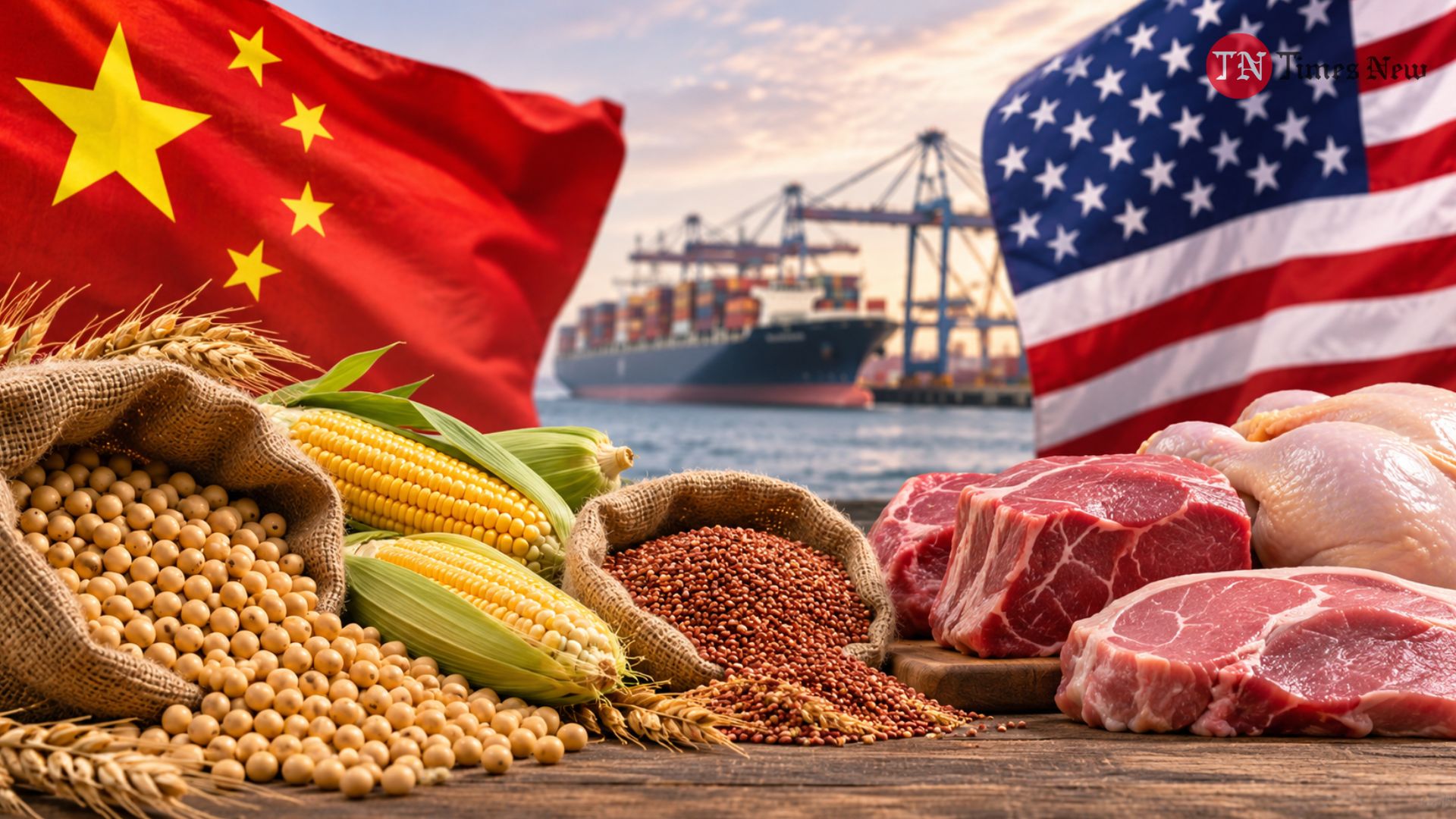
China’s purchases of US agricultural products, excluding soybeans, are on track to reach a seven-year low in 2026, raising doubts about its commitment to an annual $17 billion import deal with Washington. Although the White House announced in May that Beijing had agreed to purchase $17 billion worth of American agricultural goods annually, imports of products such as meat, corn and sorghum totalled just $7.2 billion between January and September. The figure marks the lowest level for the period since 2019, during the first US-China trade war. While China is on track to meet its separate soybean purchase commitment, uncertainty remains over when the broader agreement officially takes effect.
Weak domestic demand and growing competition from global suppliers are making it difficult for US agricultural exporters to achieve the target. China’s ample domestic corn supplies have reduced demand for American shipments, while Brazil has emerged as a strong competitor in the sorghum market after gaining access to Chinese buyers in 2025. US meat exports are also facing challenges, with oversupply limiting demand for pork and chicken, while high beef prices and regulatory restrictions continue to affect shipments. Despite China renewing export licences for more than 400 US beef plants in May, several facilities remain ineligible to supply the Chinese market.
The slow pace of purchases has heightened concerns among American farmers, who are already struggling with high fuel costs and weak demand for their produce. Industry representatives say that while soybean trade has resumed, markets for other agricultural commodities remain largely subdued. Analysts believe China may need to direct state-owned enterprises to increase purchases if it is to meet the $17 billion commitment, as market-driven demand alone is unlikely to be sufficient. The uncertainty surrounding the agreement also carries political implications for US President Donald Trump, with agricultural trade tensions emerging as an issue ahead of the midterm elections.
Pic Courtesy: google/ images are subject to copyright