


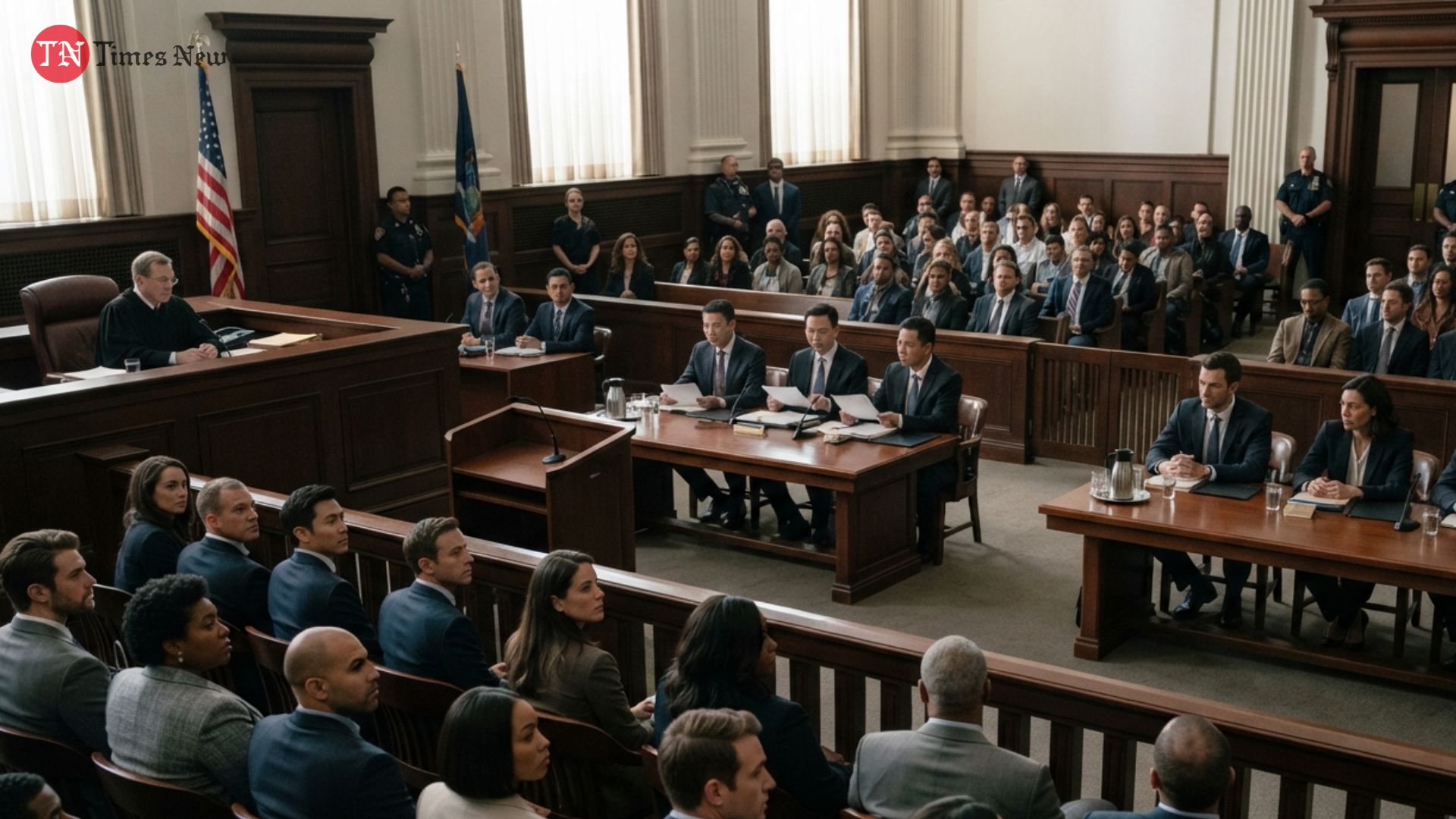
A federal jury in Brooklyn, New York, convicted Chinese telecommunications giant Huawei on Tuesday on 10 of 12 criminal counts following a sprawling, two-month trial. The charges stem from a 2018 indictment—which previously led to U.S. trade blacklisting and the 2018 detention of Huawei CFO Meng Wanzhou in Canada—accusing the company of deceiving global banks like HSBC about its business operations in Iran to bypass U.S. sanctions, as well as conspiring to steal trade secrets from American technology firms such as Cisco and T-Mobile. While jurors found Huawei guilty of bank fraud, wire fraud, sanctions violations, and trade secret conspiracy, they acquitted the company of the most severe charges: racketeering conspiracy and conspiracy to obstruct justice.
Following the verdict, Huawei’s legal team welcomed the racketeering acquittal as a vindication of its compliance culture while announcing plans to appeal the remaining convictions, which the company dismissed as lacking legal and factual merit. In Beijing, China’s foreign ministry condemned the ruling, reiterating its firm opposition to what it characterized as U.S. suppression and containment of Chinese enterprises. Meanwhile, U.S. Attorney Joseph Nocella underscored the gravity of the case, describing Huawei’s actions as a decades-long pattern of endangering American national security and commerce.
U.S. District Judge Ann Donnelly has scheduled Huawei’s sentencing for September 14, 2027. Although the exact financial penalties remain undetermined, legal experts note that avoiding the racketeering conviction could significantly reduce the company’s total financial exposure. Despite years of U.S. legal battles and export restrictions, analysts say Huawei’s core business has remained resilient as the firm has successfully diversified and positioned itself as a central player in China’s artificial intelligence sector.
Pic Courtesy: google/ images are subject to copyright
You May Also Like

Recent Post
- Huawei Convicted in U.S. Federal Court of Bank Fraud, Sanctions Violations, and Trade Secret Theft

- AI-Fueled Cyber Threats Target Underinsured Retailers Ahead of Black Friday

- Grocers Slash Thanksgiving Meal Prices to Woo Inflation-Weary Shoppers Despite Wholesale Spike

- Polestar’s Third-Quarter Loss Widens to $403 Million as Revenue Falls 14%