


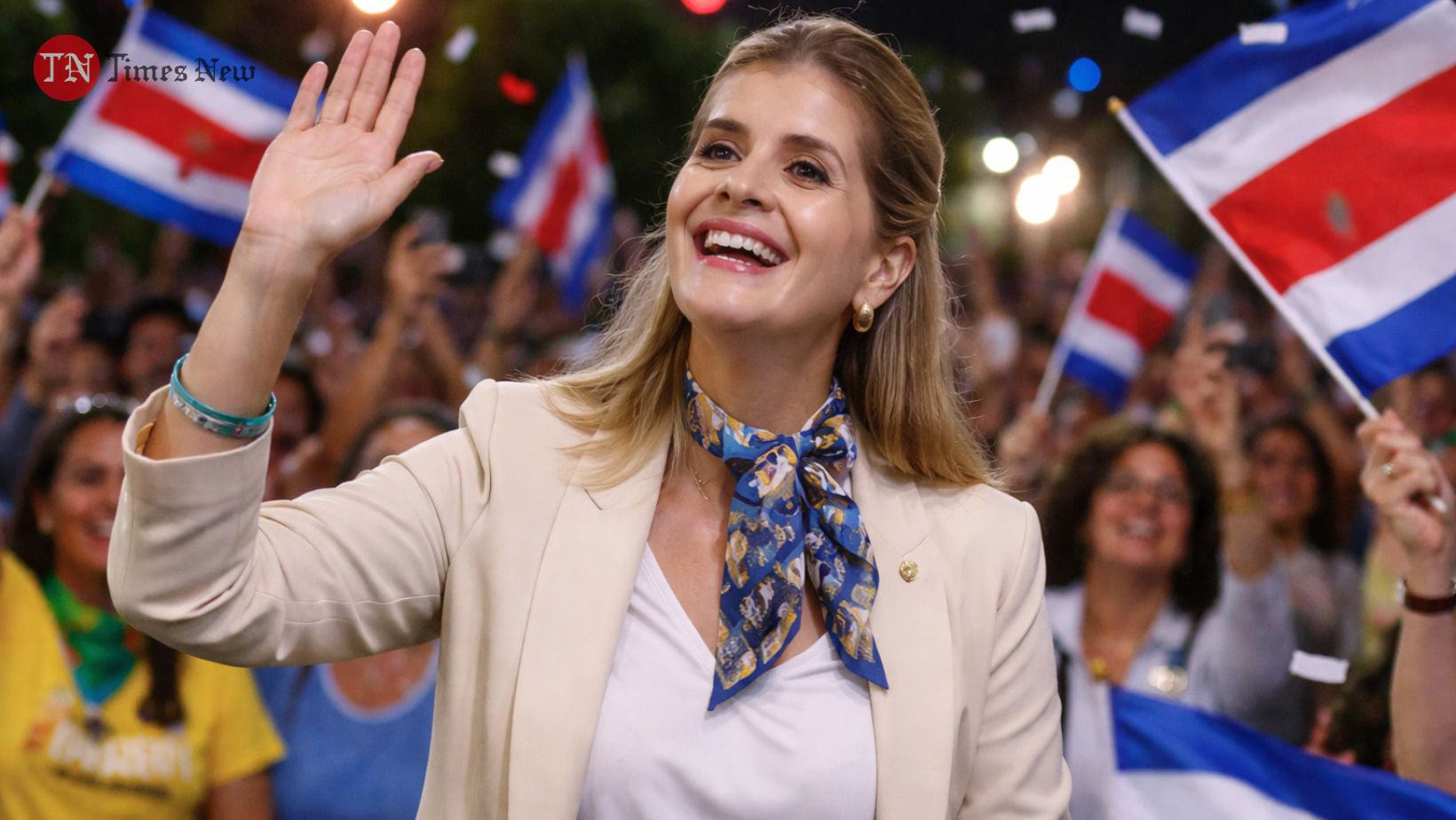
Costa Rica is set for a political shift as Laura Fernández Delgado, a 39-year-old right-wing conservative and hand-picked successor to outgoing President Rodrigo Chaves Robles, has won the country’s presidential election. Fernández, representing the Laura Fernández Delgado Sovereign People’s Party (PPSO), secured just over 48% of the vote in the February 1 election, surpassing the 40% threshold needed to avoid a runoff. Her closest rival, economist Álvaro Ramos of the National Liberation Party, conceded defeat with about one-third of the vote as results came in from more than 80% of polling stations. The election was marked by high turnout and a strong focus on public security concerns amid rising crime.
Fernández, previously minister of national planning and economic policy and minister of the presidency under Chaves, campaigned on continuing his hard-line, populist agenda—which includes promises to enact constitutional reforms and toughen measures against surging drug-related violence. She has openly admired the security approaches of regional leaders like El Salvador’s Nayib Bukele and pledged states of emergency in high-crime areas, raising concerns among critics about potential erosions of civil liberties. Throughout the campaign she emphasized law and order and the need for institutional change, declaring that Costa Rica was entering a “new political era.”
The incoming president’s victory also reflects her strong ties to Chaves’ political movement, with many viewing her as a loyal continuation of his governance style rather than an autonomous leader. Fernández becomes Costa Rica’s second female president after Laura Chinchilla (2010–2014) and is expected to assume office on May 8, 2026. As her party also aims to increase its legislative presence, the broader implications for Costa Rica’s democratic institutions and constitutional structure will likely be key issues early in her tenure.
Pic Courtesy: google/ images are subject to copyright


