

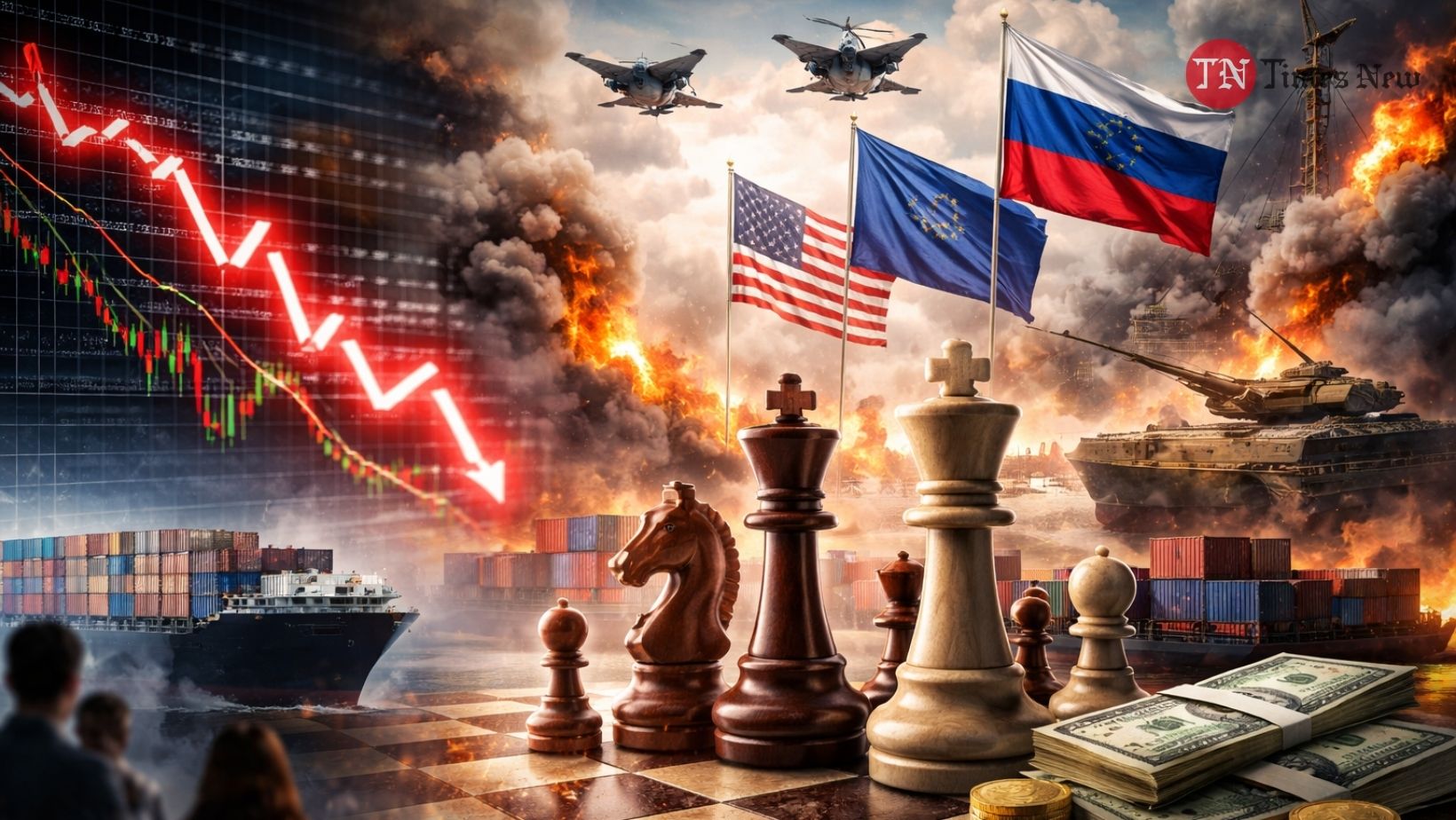
Demand for geopolitical analysis is rapidly increasing as asset managers and corporate investors look for better ways to price risks linked to wars, territorial disputes, trade threats, and shifting global power equations. The urgency was underlined this week after the United States warned of tariffs against multiple countries unless a deal was reached over U.S. control of Greenland—triggering sharp market swings and renewed focus on political decision-making as a key driver of financial volatility.
Industry experts say geopolitical risk, once treated as secondary to economic indicators and central bank policy, has become a “must-have” factor in portfolio strategy since Russia’s invasion of Ukraine in 2022. PGIM Fixed Income’s lead geopolitical analyst Mehill Marku noted a sharp rise in client consultations as crises become increasingly interconnected. Investcorp Vice Chairman and CIO Rishi Kapoor said investors must now “develop a new muscle,” while Danantara CIO Pandu Patria Sjahrir said his sovereign wealth fund increasingly underwrites investments using worst-case political scenarios as the baseline.
The surge has opened new opportunities for consultancy firms and investment banks, many of which are expanding dedicated geopolitical advisory units. JPMorgan launched a Center for Geopolitics, while Goldman Sachs and Lazard Asset Management developed geopolitical divisions in recent years. Firms such as Signum Global Advisors and Eurasia Group also report intensified competition and rising demand, with Signum increasing its partner roster and drawing strong investor interest in developments such as Venezuela’s shifting political landscape, reflecting how geopolitics is now shaping global markets at an unprecedented pace.
Pic Courtesy: google/ images are subject to copyright