


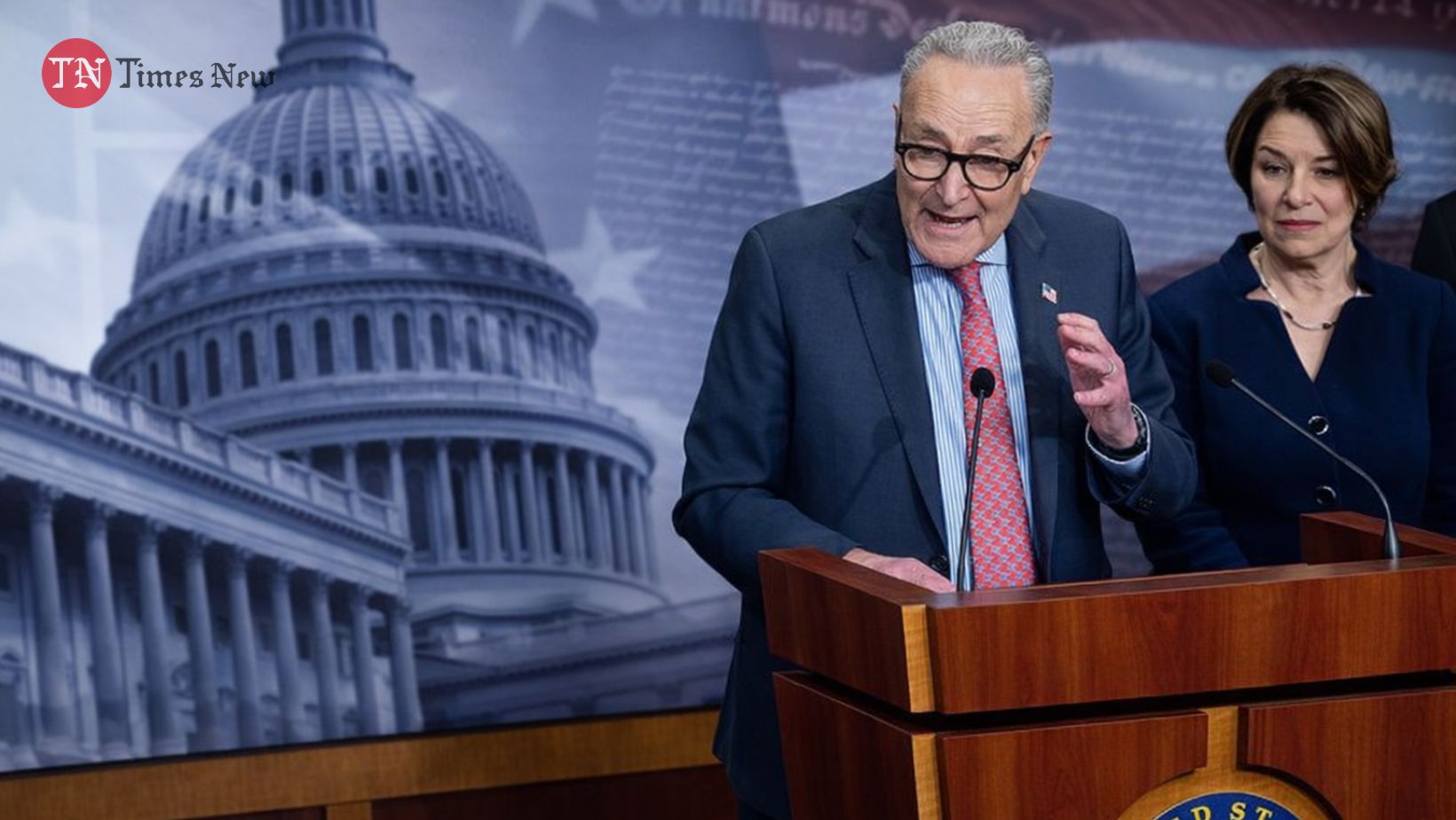
The U.S. Senate on Thursday rejected competing Democratic and Republican proposals aimed at averting a looming healthcare crisis, leaving 24 million Americans at risk of sharp insurance premium increases when enhanced Affordable Care Act subsidies expire on January 1. With Congress preparing for its holiday recess and no deal in sight, uncertainty has already affected enrollment decisions, with slightly fewer Americans renewing their Obamacare plans compared to last year.
In two consecutive votes largely split along party lines, Senate Democrats blocked a Republican bill that would have offered up to $1,500 in direct payments to certain individuals but included restrictions on abortion, gender-transition care, and immigration verification. Republicans, meanwhile, defeated a Democratic measure that sought to extend COVID-era subsidies for three years to prevent premiums from potentially doubling. Four Republicans crossed party lines to support the Democratic bill, while no Democrats backed the Republican proposal.
The standoff has sparked political tension ahead of the 2026 midterm elections as both parties brace for voter backlash over rising healthcare costs. Despite President Donald Trump endorsing the Cassidy-Crapo Republican plan, polling indicates broad public support for continuing the subsidies. As insurers warn consumers of significant price increases, a bipartisan effort in the House—led by Representative Brian Fitzpatrick—to extend the subsidies through 2027 may emerge as a last-ditch attempt to salvage relief before the new rates take effect.
Pic Courtesy: google/ images are subject to copyright


