


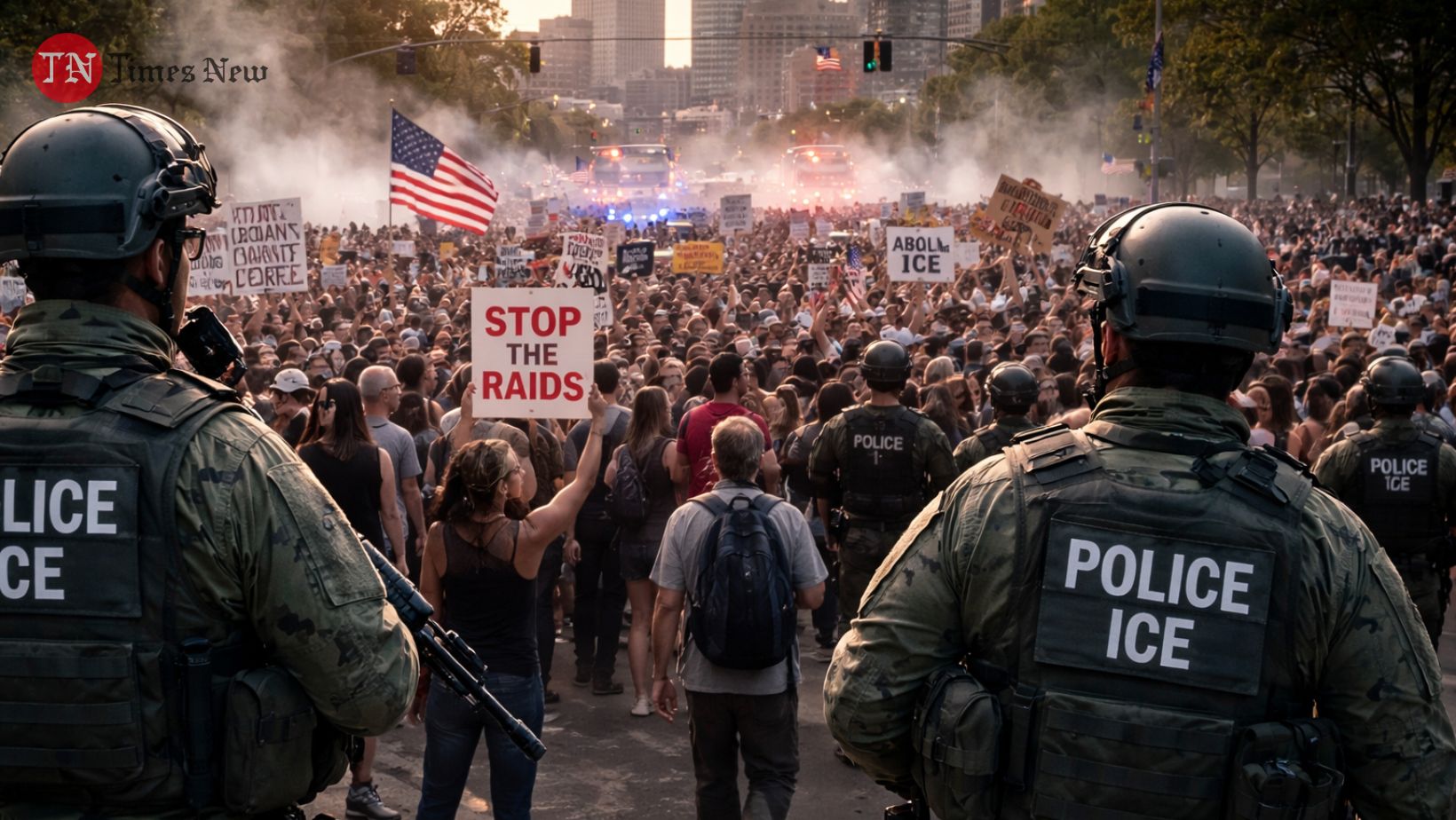
U.S. President Donald Trump has agreed to end a large-scale immigration enforcement operation in Minnesota, known as “Operation Metro Surge,” following weeks of protests, political pressure, and controversy. White House border czar Tom Homan announced that the deployment of roughly 3,000 armed immigration agents—described by Trump as the largest deportation operation in U.S. history—would conclude, with many officers returning to their home states within days. The operation, launched in late January, faced strong opposition from Governor Tim Walz, local officials, and thousands of demonstrators across major cities.
The surge became increasingly contentious after immigration agents fatally shot two U.S. citizens in Minneapolis during separate incidents involving protesters or observers, intensifying a national debate over enforcement tactics. Federal judges also rebuked the administration, alleging that authorities had ignored court orders to release wrongly detained migrants. While Trump argued the operation was necessary for public safety, critics said it damaged community trust, violated constitutional rights, and destabilized local economies, schools, and families.
State and local leaders welcomed the drawdown but warned that recovery would take time and called for continued investigations into federal actions. Minneapolis Mayor Jacob Frey described the impact as “catastrophic,” while Hennepin County Attorney Mary Moriarty pledged to examine multiple incidents involving federal agents. Community members and advocacy groups expressed skepticism about the withdrawal, noting that some officers would remain and demanding accountability for the deaths and broader social harm caused during the operation.
Pic Courtesy: google/ images are subject to copyright
You May Also Like

Recent Post
- U.S. Lawmakers to Vote Again on DHS Funding as Shutdown Continues Amid Iran War Tensions

- Texas Rep. Tony Gonzales Admits Relationship With Former Staffer Amid Ethics Probe
- Pakistani Businessman Testifies in U.S. Court Over Alleged Iran-Linked Assassination Plot
- Dr. Vijaya Mohan: Driven by Purpose, Defined by Care