


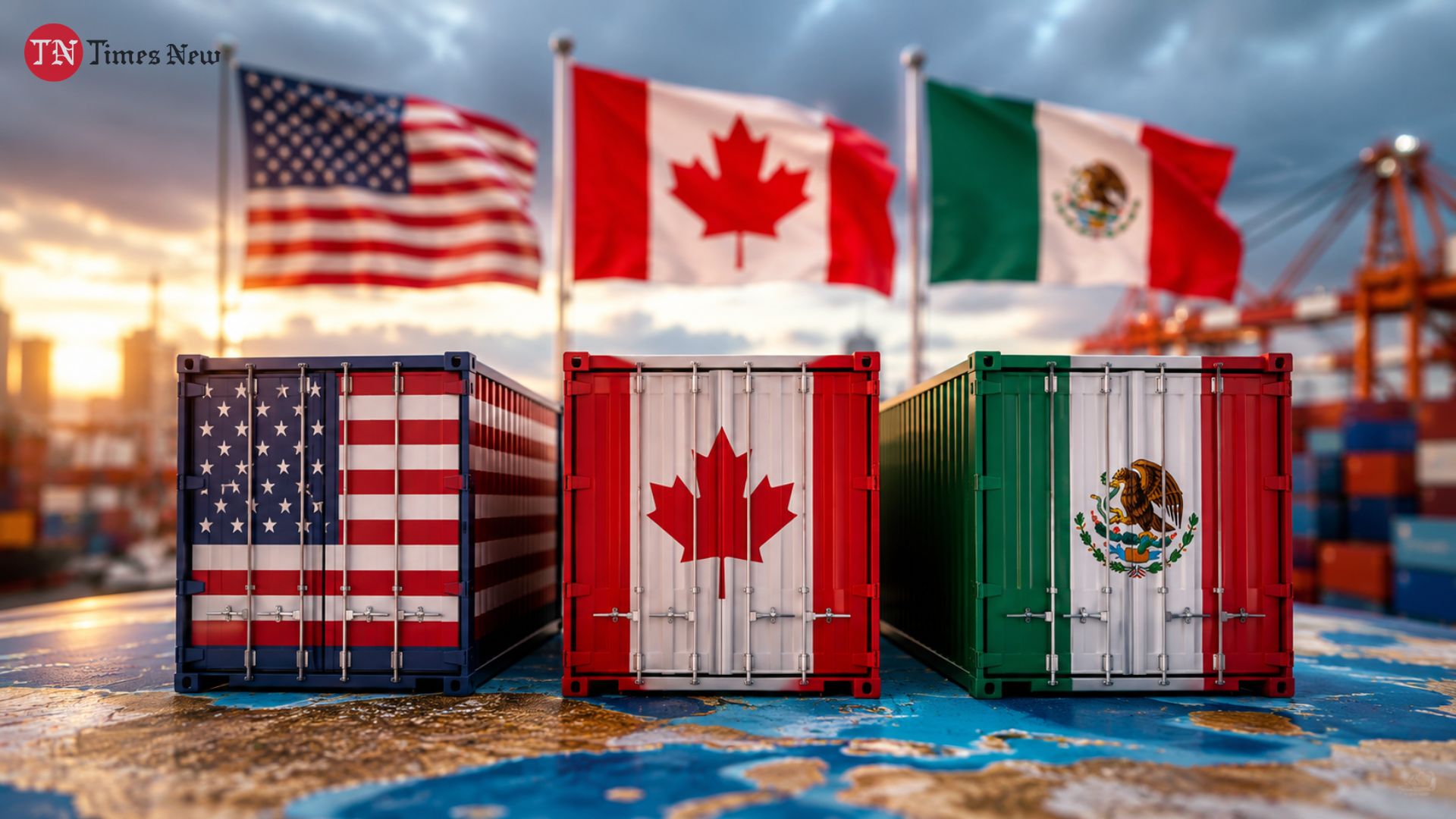
The United States, Canada, and Mexico are set to meet on July 1 to begin the mandatory six-year review of the United States-Mexico-Canada Agreement (USMCA), amid growing trade tensions between Washington and Ottawa. The trade pact, negotiated during U.S. President Donald Trump’s first term, is up for review as Trump has remained noncommittal about its renewal. Relations between the two neighboring countries have deteriorated in recent months, with disputes over tariffs and Trump’s remarks about Canada becoming the “51st U.S. state” fueling public and political tensions.
Ahead of the review, the U.S. Trade Representative’s Office highlighted several longstanding concerns in its 2026 National Trade Estimate report. Key issues include Canada’s supply-managed dairy, poultry, and egg sectors, which Washington says restrict market access for American producers through high tariffs and production quotas. The U.S. has also criticized Canada’s Buy Canadian procurement policies, restrictions in provincial alcohol distribution systems, digital services tax, online streaming regulations, and barriers affecting agricultural exports, including seeds, fruits, and vegetables.
Additional concerns raised by Washington include Canada’s intellectual property protections, enforcement of forced labor import bans, Alberta’s electricity market rules, and pharmaceutical pricing policies, which the U.S. industry argues undervalue innovative medicines. Canada has defended several of its policies, including supply management, while recently introducing legislation to strengthen forced labor enforcement and signaling changes to some digital regulations. The outcome of the USMCA review is expected to play a significant role in shaping North American trade relations in the coming years.
Pic Courtesy: google/ images are subject to copyright