


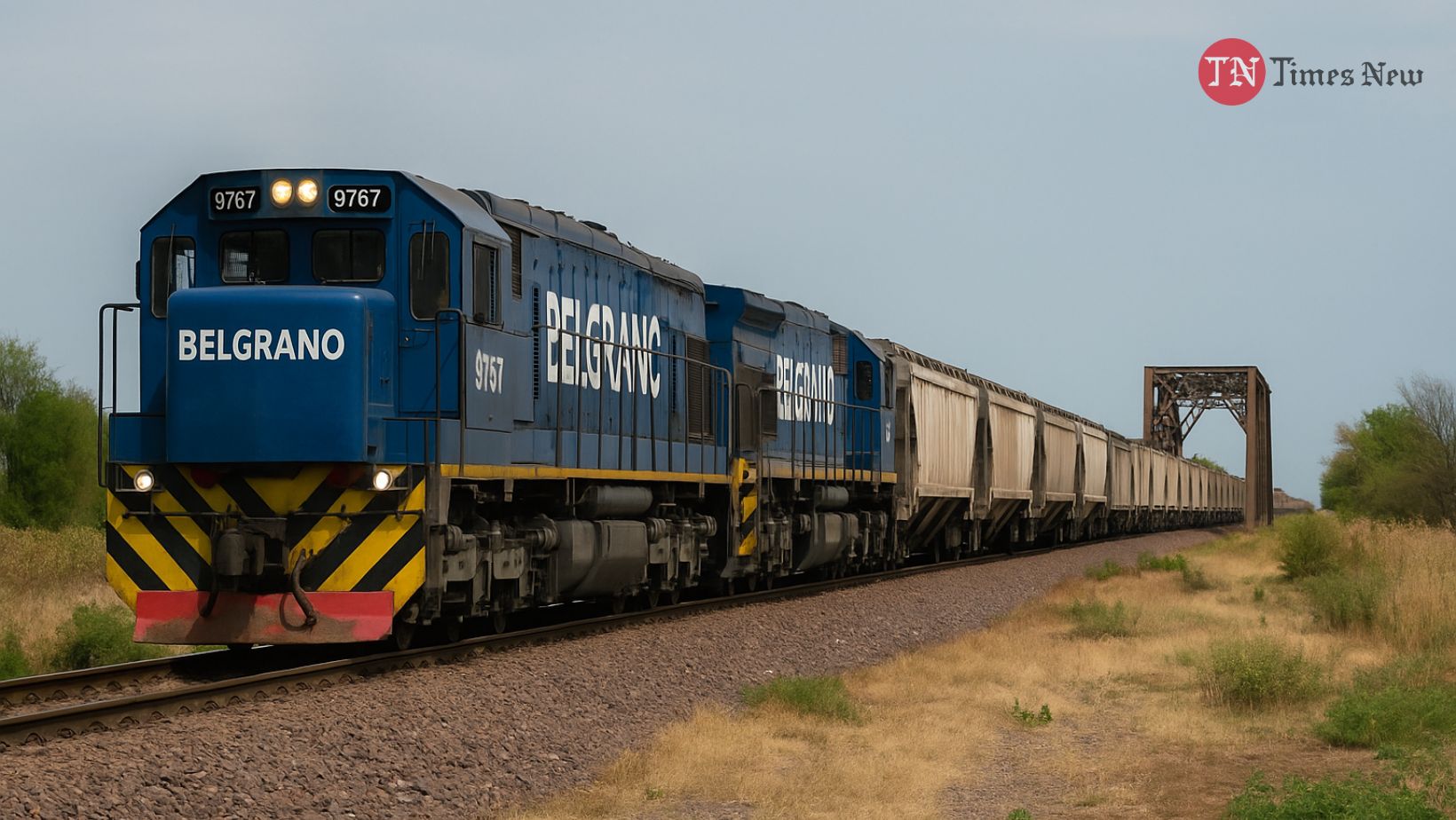
Argentina is moving ahead with plans to privatize and modernize its aging railway network in a bid to slash freight costs and enhance its global export capacity. The first tender, set for early next year, will focus on the Belgrano Cargas network, which covers the nation’s three largest freight lines. The initiative aims to strengthen the transport of key export commodities such as soybeans, corn, copper, and lithium, while also improving logistics for Vaca Muerta, one of the world’s largest shale formations. The effort aligns with President Javier Milei’s broader strategy to privatize struggling state enterprises and attract fresh investment.
Reviving the rail system will be a massive undertaking. Freight volumes transported by train are currently lower than in 1970, despite agricultural output having grown nearly six-fold since then. The 8,000-kilometer Belgrano Cargas network now moves about 7.5 million tons of cargo annually, with agricultural goods making up 60%. Much of the infrastructure is in disrepair, leading to slow-moving trains, frequent derailments, and even cargo theft. An additional 11,000 kilometers of inactive rail lines will also be tendered. With rail accounting for only 5% of freight transport in Argentina—far behind Brazil, the U.S., and Canada—industry leaders see modernization as essential to achieving the government’s ambitious target of increasing exports by $100 billion within seven years.
Interest in the project is already growing. Grupo México Transportes is expected to bid, with plans to invest up to $3 billion if selected. Major agricultural companies including Bunge Global, Cargill, and Louis Dreyfus are also eyeing participation, as is mining giant Rio Tinto. Lowering transportation costs could unlock new agricultural frontiers in Argentina’s north and bolster the mining industry, particularly lithium and copper projects poised for expansion. Experts say modern rail logistics could make production more competitive by reducing costs that currently exceed the price of shipping goods overseas, marking a potential turning point for Argentina’s export-driven economy.
Pic Courtesy: google/ images are subject to copyright
You May Also Like



Recent Post
- Court Expert Backs Women in J&J Talc Cancer Lawsuits, Paving Way for Federal Trial

- Thousands of U.S. Workers, Students Protest Trump Immigration Crackdown Across Cities

- California Republicans Ask U.S. Supreme Court to Block New Democratic-Favoring Congressional Map

- Brazil gives xAI 30 days to curb Grok’s fake sexualized content
