


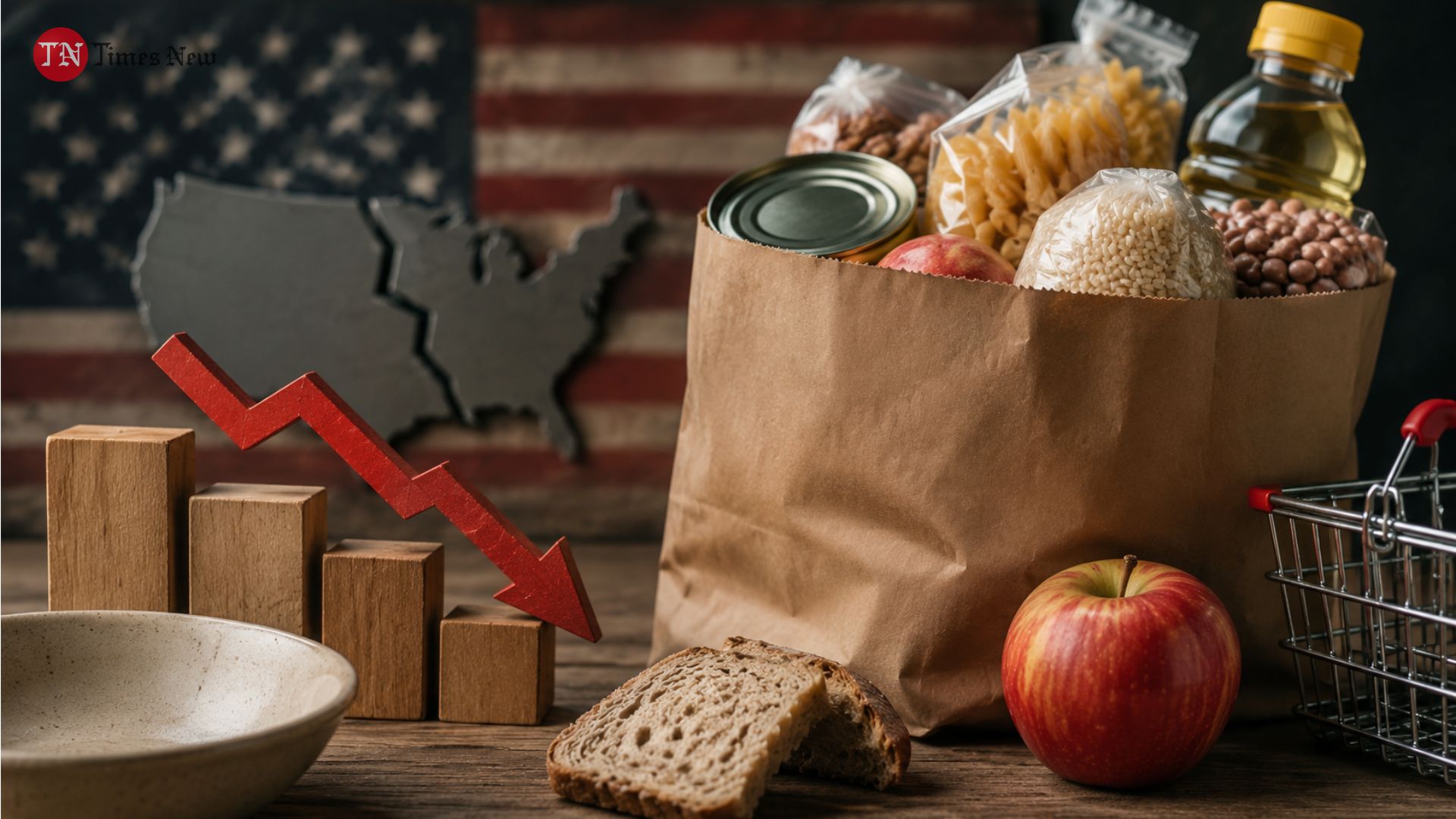
The cancellation of the U.S. Department of Agriculture’s long-running food security survey under President Donald Trump has sparked concerns among researchers and policymakers about the nation’s ability to monitor hunger, particularly among children. The survey, conducted for three decades, was widely regarded as the primary benchmark for measuring household food insecurity. Its removal comes as millions of Americans have lost Supplemental Nutrition Assistance Program (SNAP) benefits following changes introduced under Trump’s tax and spending law, including expanded work requirements and reduced federal funding.
Experts warn that without the annual USDA survey, it will be far more difficult to determine whether recent reductions in food assistance are contributing to rising hunger. While the USDA maintains that other federal and state surveys continue to collect relevant data, economists and former agency officials argue that none offer the same level of detail or national representation. The final USDA report, released before the survey was discontinued, found that 13.7% of U.S. households experienced food insecurity during the year—the highest level recorded in a decade.
Efforts are now underway to restore the nation’s ability to measure hunger. Maine has approved legislation to conduct its own annual food insecurity survey, while Democratic lawmakers in Congress have introduced bills seeking to reinstate the USDA program. Supporters say reliable data is essential for evaluating the impact of SNAP policy changes, identifying vulnerable communities, and ensuring resources are directed where they are needed most.
Pic Courtesy: google/ images are subject to copyright