

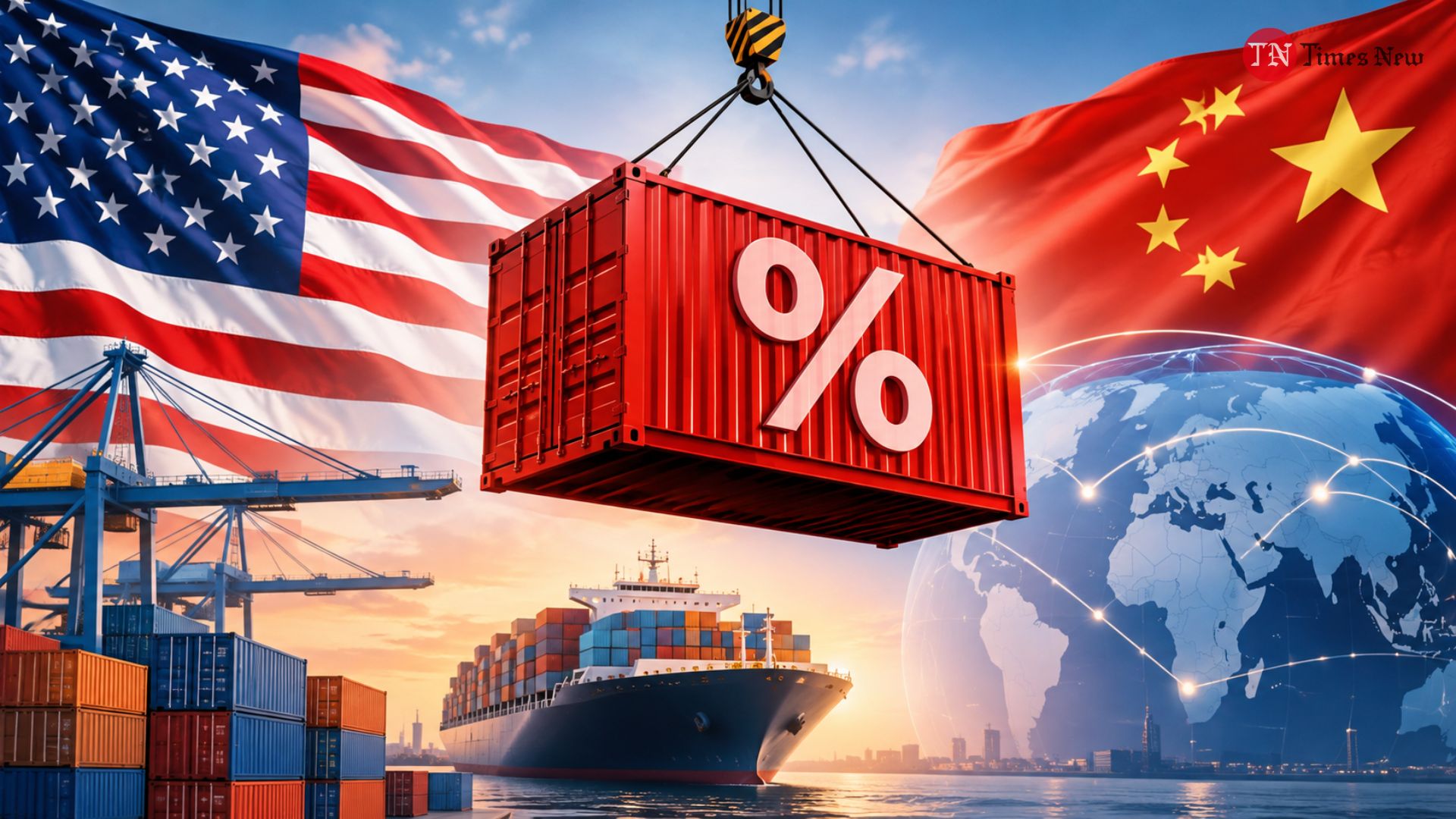
The Trump administration has proposed new tariffs on 14 major trading partners, including China, India, Japan, South Korea and the European Union, citing concerns over excess industrial capacity and unfair trade practices. The proposal follows an eight-month investigation by the US Trade Representative’s (USTR) office under Section 301. China is set to face the highest proposed rate, with an additional 20% duty on its goods, alongside existing tariffs from Trump’s first term.
Other affected trading partners include Bangladesh, Cambodia, Indonesia, Malaysia, Singapore, Switzerland, Taiwan, Thailand and Vietnam. The proposed duties are intended to address what Washington describes as government policies, subsidies and industrial practices that encourage production beyond market demand, leading to an oversupply of goods in global markets. However, the new tariffs will not be added to certain existing duties imposed earlier this year and will remain within the limits of trade agreements negotiated with several partners.
The proposed tariffs will undergo a public notice and consultation process, including a hearing, before implementation, which could be delayed until January 2027. The administration expects the measures to encourage further trade negotiations, particularly with countries such as India and Vietnam. The move comes amid efforts to maintain trade stability with China, even as Washington continues to criticise its export practices. The proposed duties have also raised concerns over higher consumer prices in the US and the possibility of renewed trade tensions.
Pic Courtesy: google/ images are subject to copyright