


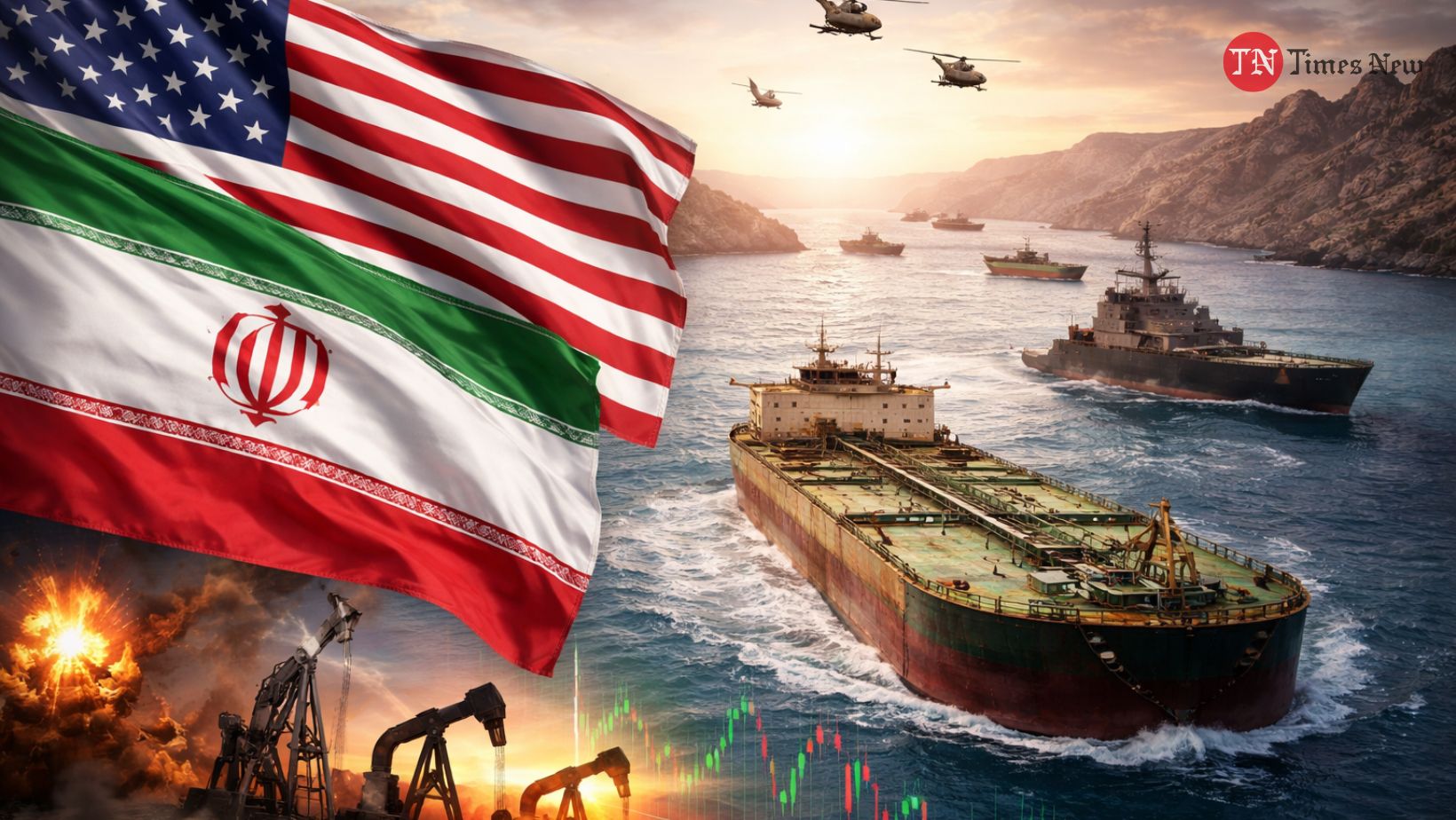
U.S. President Donald Trump said a deal to end the ongoing conflict with Iran could be reached soon, expressing confidence that Tehran is willing to negotiate. While noting that the current two-week ceasefire may be extended, Trump indicated it might not be necessary if progress continues. He also suggested that a potential agreement could be formally signed in Islamabad, where recent diplomatic engagements have taken place, though Iranian sources cautioned that key gaps still remain unresolved.
The conflict, which began on February 28 following a U.S.-Israeli offensive, has caused significant casualties and destabilized the Middle East, while severely disrupting global energy flows. The closure of the Strait of Hormuz—a critical route for nearly a fifth of the world’s oil and gas—has heightened fears of a global economic shock. In response, international efforts are underway, with France and Britain leading talks among around 40 nations to restore freedom of navigation once hostilities cease, even as the International Monetary Fund warns of a possible global recession if the conflict drags on.
Meanwhile, backchannel diplomacy appears to be gaining traction, with mediators indicating that a preliminary agreement could soon be followed by a comprehensive deal within 60 days. However, major sticking points persist, particularly over Iran’s nuclear program, sanctions relief, and the handling of enriched uranium stockpiles. Alongside these developments, a fragile ceasefire between Israel and Lebanon has taken effect, offering a glimmer of hope in a region still grappling with widespread destruction and uncertainty.
Pic Courtesy: google/ images are subject to copyright