

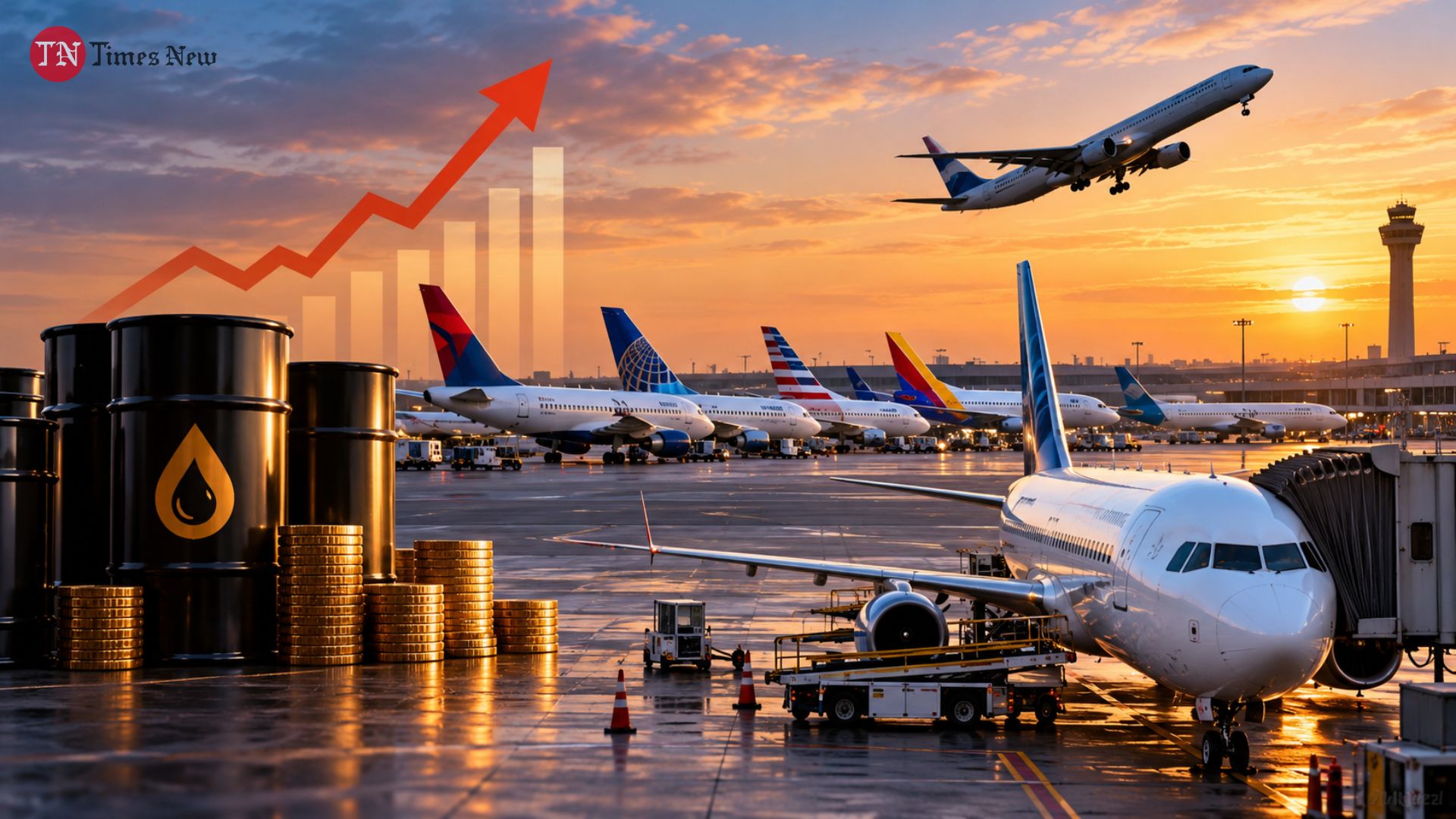
US airlines are increasingly choosing higher ticket prices over fuller planes to protect profit margins amid soaring fuel costs. Delta Air Lines, United Airlines, American Airlines, Southwest Airlines and Alaska Air Group have focused on revenue per passenger rather than increasing passenger volumes. US airfares rose nearly 23% year-on-year in the seven months through September, significantly exceeding the 3.6% increase in overall consumer prices. Despite higher fares, passenger demand has remained relatively resilient, with airlines reporting substantial revenue growth.
However, the strategy has not fully offset rising operating expenses. Jet fuel prices have surged approximately 90% since the US-Israeli war on Iran began in February, climbing from $2.43 to $4.63 per gallon by October 20. Across the five major carriers, passenger revenue increased nearly $8.8 billion, or 18%, in the third quarter compared with a year earlier, while passenger traffic grew by less than 1%. Nevertheless, Delta and Southwest have reduced their annual earnings forecasts, while American Airlines expects a full-year loss despite higher passenger revenue.
The industry now faces another challenge in 2027, as US airlines plan to increase domestic capacity amid expectations of persistently high fuel costs. Six major carriers are projected to expand domestic capacity by 3.8% in the first quarter of 2027, compared with just 0.2% growth in the third quarter of 2026. Airlines are reassessing expansion plans to ensure additional flights generate sufficient revenue to cover operating costs. While capacity discipline could help sustain higher fares, further price increases risk discouraging travellers and intensifying pressure on demand.
Pic Courtesy: google/ images are subject to copyright
You May Also Like

Italy May Raise Taxes on Energy Firms to Fund Budget
23 October 2026

Shein Agrees to Pay $100 Million to Settle US FTC Probe
23 October 2026